







What's Happening?
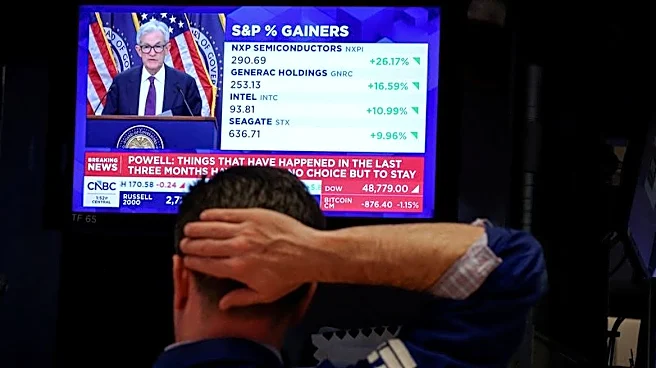
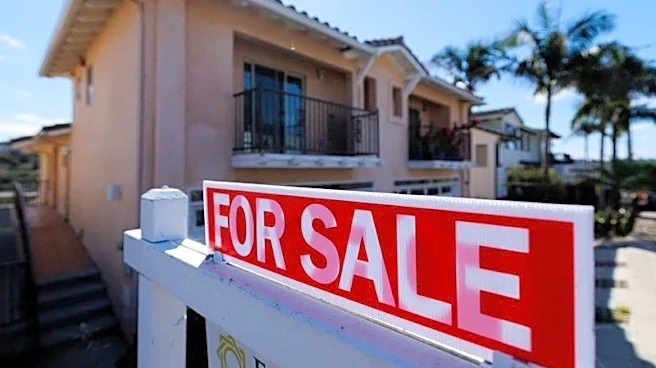
As of May 1, 2026, the average mortgage interest rate on a 30-year mortgage in the U.S. has increased to 6.37%, while the rate for a 15-year mortgage is 5.75%. These rates have risen from the previous week, influenced by economic concerns and decisions
by the Federal Reserve. In the UK, a similar trend is observed where renting has become cheaper than buying a home for the first time since June 2025. According to Rightmove, the average monthly rent is now £1,547, compared to an average mortgage payment of £1,670. This shift is attributed to the rise in mortgage rates, which have increased from 4.24% in February to 5.35% in April.
Why It's Important?
The increase in mortgage rates has significant implications for both the housing market and potential homebuyers. In the U.S., higher mortgage rates can deter new buyers, potentially slowing down the housing market. This could lead to a shift in demand towards renting, as seen in the UK. For existing homeowners, higher rates may increase monthly payments, affecting household budgets. The broader economic impact includes potential slowdowns in housing-related industries, such as construction and real estate services. Additionally, the Federal Reserve's interest rate decisions will continue to play a crucial role in shaping the housing market's future.
What's Next?
If mortgage rates continue to rise, more potential buyers may opt to rent, affecting the demand for home purchases. This could lead to a cooling of the housing market, with potential price adjustments. The Federal Reserve's future interest rate decisions will be closely watched, as they will influence mortgage rates and, consequently, the housing market. Stakeholders, including real estate developers and financial institutions, may need to adjust their strategies to accommodate changing market dynamics.
Beyond the Headlines
The shift towards renting over buying could have long-term cultural and economic implications. It may alter perceptions of homeownership as a primary financial goal, especially among younger generations. Additionally, this trend could influence urban planning and development, as demand for rental properties increases. Policymakers may need to consider measures to support affordable housing and address potential disparities in housing accessibility.