






What's Happening?
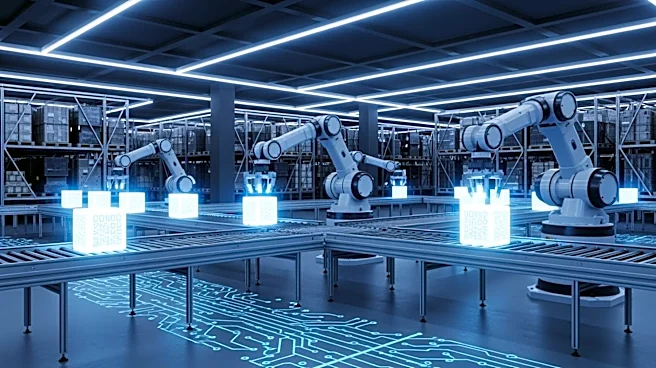
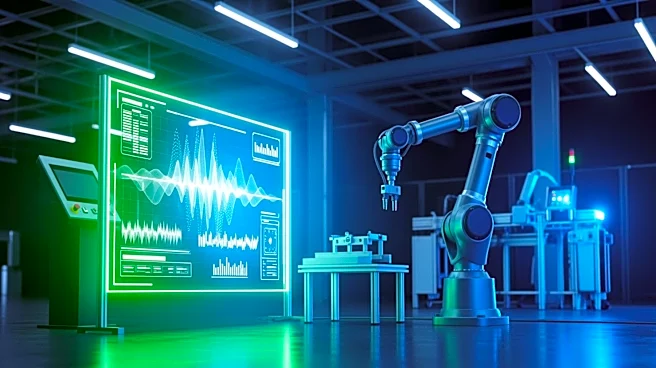
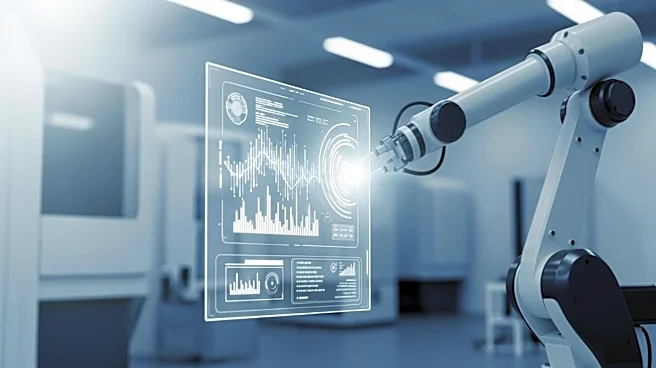
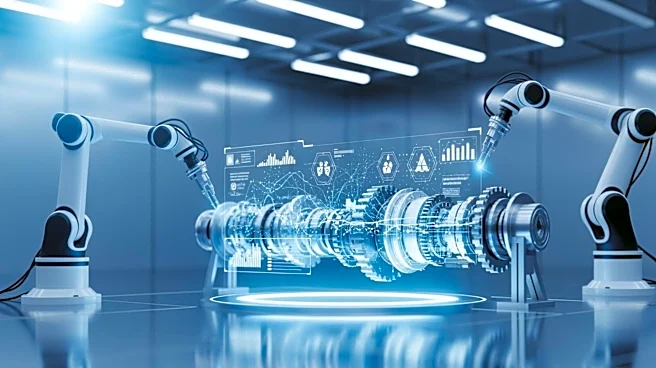
Predictive maintenance, powered by AI and IoT technologies, is transforming the manufacturing sector by enhancing operational efficiency and reliability. This approach involves using advanced sensors and cloud-based analytics to monitor equipment health,
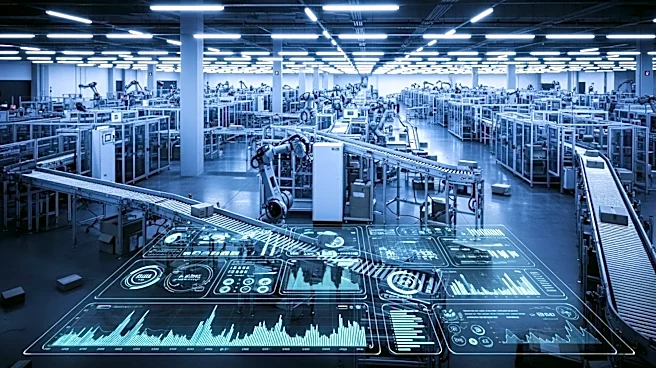
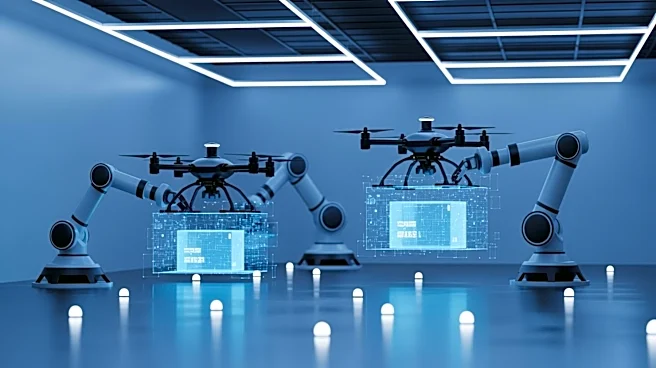
thereby preventing unplanned outages. In manufacturing, AI-driven predictive maintenance helps reduce downtime, extend equipment life, and lower maintenance costs by analyzing machine data to identify early signs of failure. Additionally, the integration of digital twins and control towers in supply chains enhances predictive maintenance capabilities, providing real-time monitoring and simulation of disruptions. These technologies allow for optimization of production flows and improved planning accuracy, leading to significant improvements in inventory management and service levels.
Why It's Important?
The adoption of predictive maintenance in manufacturing is crucial for reducing operational costs and increasing productivity. By minimizing unplanned downtime and extending the lifespan of equipment, companies can achieve significant cost savings. This approach not only enhances the efficiency of manufacturing processes but also contributes to the overall resilience of supply chains. The ability to predict and prevent equipment failures ensures a more reliable production process, which is essential for maintaining competitiveness in the market. Furthermore, the use of AI and IoT in predictive maintenance raises cybersecurity concerns, as the increased connectivity of devices could expose systems to external threats. Addressing these concerns is vital for safeguarding the integrity of manufacturing operations.
What's Next?
As predictive maintenance continues to gain traction, companies are likely to invest further in AI and IoT technologies to enhance their operational capabilities. This trend will likely lead to the development of more sophisticated predictive models and analytics tools, enabling even greater precision in maintenance activities. Additionally, the focus on cybersecurity will intensify, with companies implementing robust measures to protect their systems from potential threats. The ongoing evolution of predictive maintenance will also drive changes in workforce dynamics, as employees will need to adapt to new technologies and processes. Training and upskilling initiatives will be essential to ensure that the workforce is equipped to handle the demands of a technology-driven manufacturing environment.
Beyond the Headlines
The integration of predictive maintenance in manufacturing has broader implications for the industry, including ethical and legal considerations. As AI systems become more autonomous, questions about accountability and decision-making arise. Companies must ensure that their AI-driven processes are transparent and that there is a clear understanding of how decisions are made. Additionally, the shift towards predictive maintenance may lead to changes in labor practices, as automation reduces the need for certain manual tasks. This could result in job displacement, necessitating policies to support affected workers. The long-term success of predictive maintenance will depend on balancing technological advancements with ethical and social responsibilities.