

What's Happening?
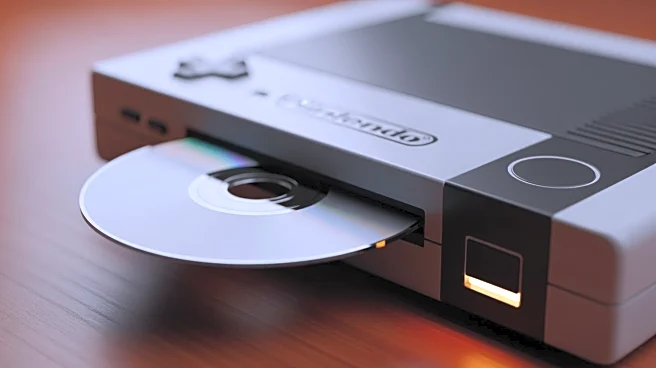
The National Videogame Museum has recently acquired a rare Nintendo PlayStation prototype, known as the Sony MSF-1, which is considered the oldest existing unit of its kind. This prototype is a significant piece of gaming history, originating from a failed
collaboration between Nintendo and Sony in the early 1990s. The partnership aimed to create a CD-ROM add-on for the Super Nintendo, known as the SNES-CD. However, the collaboration fell through, leading Sony to independently develop the PlayStation. The MSF-1 prototype, unlike other units that were based on the proposed retail design, is an early development model and lacks the polished finish of a consumer product. The museum's acquisition of this unique artifact was confirmed via their official social media account, emphasizing its rarity and historical importance.
Why It's Important?
The acquisition of the Nintendo PlayStation prototype by the National Videogame Museum is significant as it preserves a pivotal moment in gaming history. The failed partnership between Nintendo and Sony ultimately led to the creation of the PlayStation, a console that revolutionized the gaming industry and established Sony as a major player. This prototype serves as a tangible reminder of the industry's evolution and the technological advancements that have shaped modern gaming. For historians and enthusiasts, it offers a unique insight into the early development stages of gaming technology and the strategic decisions that influenced the market. The preservation of such artifacts is crucial for understanding the cultural and economic impact of video games over the decades.
What's Next?
The National Videogame Museum's acquisition of the Nintendo PlayStation prototype is likely to attract significant attention from gaming enthusiasts, historians, and the general public. The museum may organize special exhibitions or events to showcase this rare artifact, providing educational opportunities and drawing visitors interested in gaming history. Additionally, this acquisition could inspire further research into the early days of gaming technology and the business dynamics between major companies like Nintendo and Sony. The museum's efforts to preserve and display such artifacts will continue to contribute to the broader understanding of the gaming industry's development and its cultural significance.