



What's Happening?
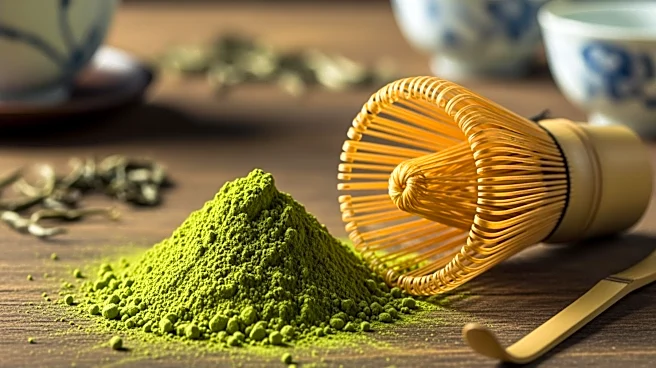
A significant shortage of matcha is leading to increased calls for stricter regulations to combat the rise of counterfeit products. The demand for matcha has surged due to its popularity in social media trends and its use in various products, including
food, beverages, and cosmetics. However, production has not kept pace with demand, as matcha leaves are harvested only once a year, and climate pressures and labor shortages further constrain output. This supply-demand imbalance has opened the market to fraudulent products, with some low-grade powders containing elevated levels of heavy metals. Consumer Analyst Jaya Dandey from GlobalData highlights the need for tighter oversight, including stricter certification standards and more rigorous testing, especially in online marketplaces. Governments and industry groups are responding by encouraging shifts in cultivation practices and promoting regional trademarks to safeguard authenticity.
Why It's Important?
The matcha shortage and the rise of counterfeit products have significant implications for consumer safety and the integrity of the market. Consumers face potential health risks from contaminated products, while legitimate producers suffer from unfair competition. The situation underscores the need for robust regulatory frameworks to ensure product safety and authenticity. Stricter regulations could also impact pricing and trade agreements, such as the US-Japan trade agreement, which currently imposes a 15% tariff on Japanese matcha imports. Revisiting these terms could alleviate some of the supply constraints and support legitimate producers.
What's Next?
Governments and industry stakeholders are likely to continue pushing for regulatory changes to address the matcha shortage and counterfeit issues. This includes potential adjustments to trade agreements and the implementation of stricter import inspections and certification standards. The promotion of regional trademarks and support programs for farmers may also play a crucial role in stabilizing the market and ensuring the authenticity of matcha products.