





What's Happening?
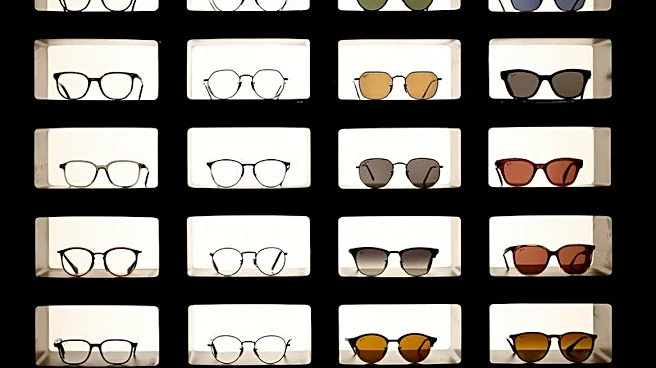
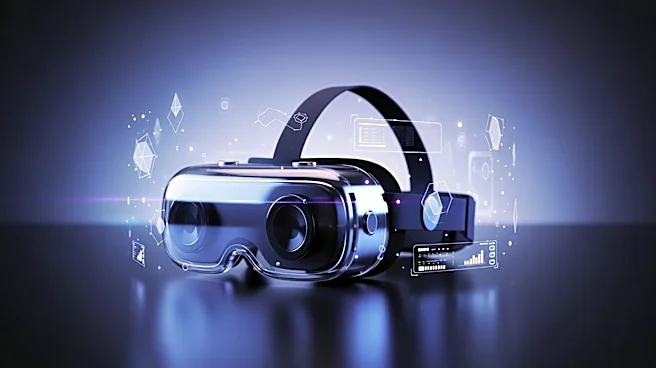
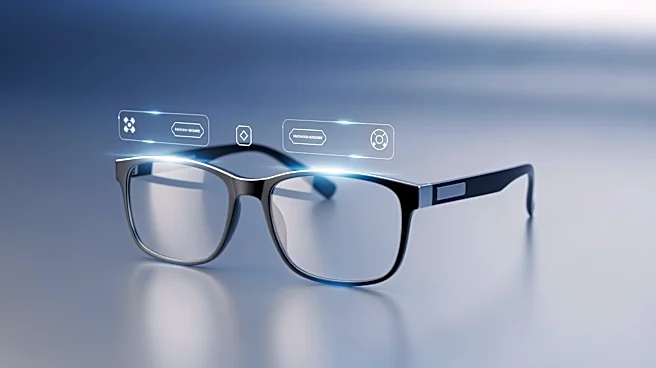
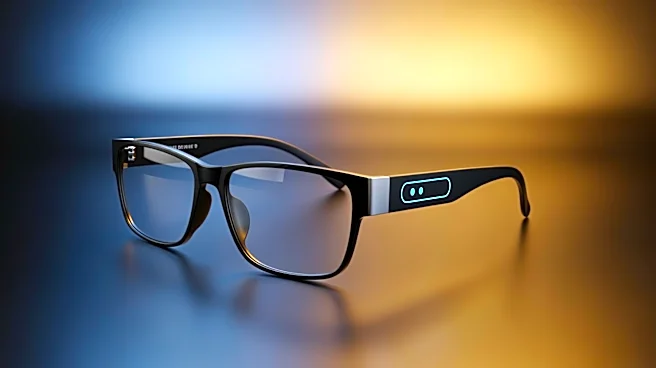
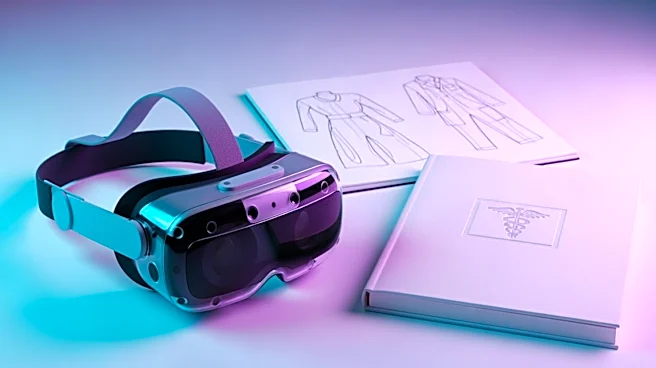
Augmented reality (AR) is gaining traction across various industries, with major brands like Apple and Gucci exploring innovative applications. Apple is reportedly testing four smart-glass designs, indicating a focus on diverse form factors for different
consumer preferences. Gucci, in collaboration with Google, plans to launch luxury smart-glasses in 2027, aiming to integrate AR into high-end fashion. Additionally, AR is being utilized in healthcare, with hospitals employing the technology for pre-surgical planning, showcasing its potential beyond entertainment. These developments highlight the expanding role of AR in enhancing consumer experiences and operational efficiencies.
Why It's Important?
The integration of AR into fashion and healthcare signifies a significant shift in how these industries operate and engage with consumers. For the fashion industry, the introduction of AR smart-glasses by luxury brands like Gucci could redefine consumer expectations, blending technology with style. This move could also influence market dynamics, pushing other brands to innovate and adopt similar technologies. In healthcare, the use of AR for pre-surgical planning enhances precision and patient outcomes, potentially reducing risks and improving efficiency. However, the rise of AR also raises privacy concerns, particularly with features like facial recognition, which could lead to regulatory challenges and impact consumer trust.
What's Next?
As AR technology continues to evolve, its adoption in various sectors is expected to increase. In fashion, more brands may follow Gucci's lead, integrating AR into their product lines to offer unique consumer experiences. In healthcare, the use of AR could expand to other areas, such as diagnostics and treatment planning, further enhancing medical practices. However, the industry must address privacy concerns and regulatory hurdles to ensure consumer trust and compliance. Stakeholders, including tech companies, fashion brands, and healthcare providers, will need to collaborate to navigate these challenges and maximize the potential of AR.
Beyond the Headlines
The growing use of AR in fashion and healthcare could lead to broader societal changes, such as shifts in consumer behavior and expectations. As AR becomes more integrated into daily life, individuals may prioritize technology-enhanced products and services, influencing market trends and business strategies. Additionally, the ethical implications of AR, particularly regarding privacy and data security, will require careful consideration and regulation to protect consumer rights. The long-term impact of AR on industries and society will depend on how these challenges are addressed and the balance between innovation and ethical responsibility.