



What's Happening?
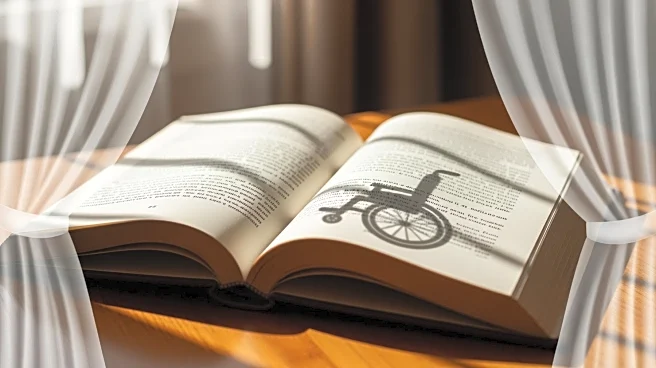
The film 'Wicked: For Good' has made script changes to improve disability representation, particularly in the portrayal of the character Nessarose. The changes include casting Marissa Bode, a wheelchair-using actor, and altering the storyline to avoid the 'magic cure' trope. Instead of being given the ability to walk, Nessarose's character is enchanted to float, which aims to present a less harmful narrative. Despite these efforts, some issues remain, as the character's storyline still involves problematic elements related to her disability and relationships.
Why It's Important?
The changes in 'Wicked: For Good' reflect a growing awareness and effort in the film industry to address and improve disability representation. By casting a disabled actor and modifying
the storyline, the film attempts to challenge traditional stereotypes and provide a more authentic portrayal. This is significant as it contributes to broader discussions about inclusivity and representation in media, highlighting the need for continued progress in how disabled characters are depicted. The film's approach can influence future productions and encourage more nuanced storytelling.
Beyond the Headlines
While the film makes strides in representation, it also highlights the complexities of addressing deep-rooted stereotypes in media. The portrayal of Nessarose still involves elements that can perpetuate negative perceptions, such as her motivations being tied to unrequited love and villainy. This underscores the importance of not only casting decisions but also the need for comprehensive narrative changes. The film's reception and critique may prompt further discussions on how to effectively balance representation with storytelling, potentially influencing future adaptations and original works.