

What's Happening?
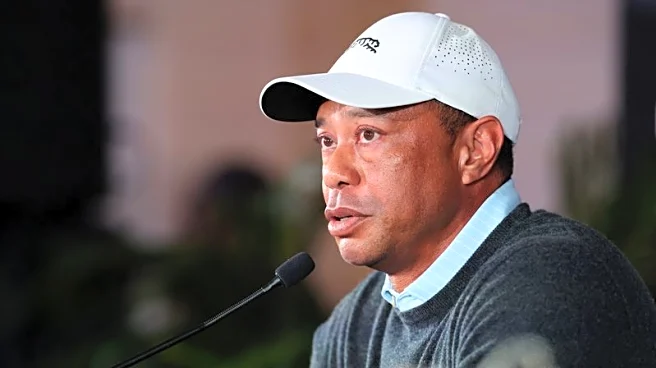
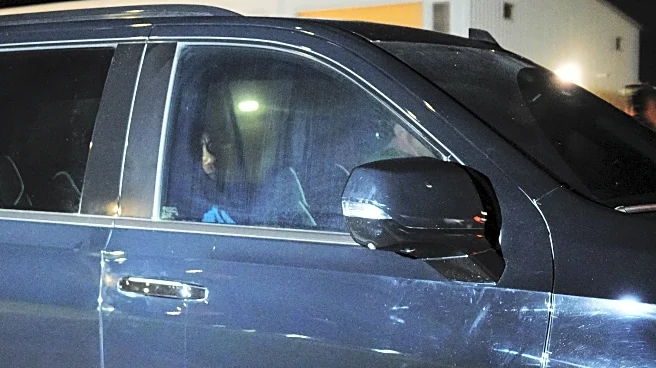
Tiger Woods, the renowned golf legend, has decided against hiring a personal driver despite his history of car crashes. According to a source, Woods prefers to drive himself to maintain his privacy and avoid having employees monitor his activities. This
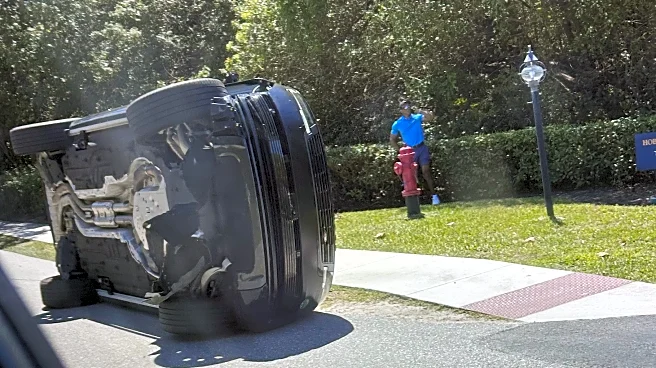
decision comes in the wake of his recent arrest on suspicion of driving under the influence (DUI) after a rollover car crash in Jupiter Island, Florida. Investigators suspect that Woods was under the influence of medication or drugs at the time of the incident. This marks the fourth car crash involving Woods, with a notable previous accident occurring in February 2021, which resulted in significant leg and ankle injuries.
Why It's Important?
Tiger Woods' decision to drive himself despite his history of accidents raises concerns about personal safety versus privacy. As a public figure with substantial wealth, Woods' choice highlights the potential risks of prioritizing privacy over safety. This situation underscores the broader issue of celebrity privacy and the lengths to which individuals may go to protect it, even at the expense of personal safety. The incident also brings attention to the ongoing challenges of managing public personas and the scrutiny that comes with fame, particularly when personal decisions lead to public consequences.
What's Next?
Following his recent arrest, Tiger Woods may face legal repercussions, including potential fines or further legal action related to the DUI charges. The incident could prompt discussions within his management team about implementing measures to ensure his safety while balancing his desire for privacy. Additionally, public and media scrutiny may increase, potentially influencing Woods' future decisions regarding personal transportation and privacy. Stakeholders, including sponsors and fans, may also react to this development, potentially impacting Woods' public image and professional engagements.