
What's Happening?
Valentine's Day gifts are becoming more expensive due to tariffs imposed on imports over the past year. According to the Cato Institute's Scott Lincicome, these tariffs are effectively a tax on consumers'
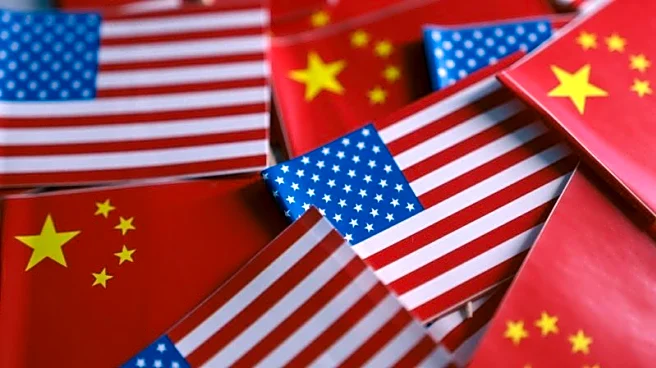
love lives. The cost of imported chocolates has increased by 8%, flowers by 9%, jewelry by 23%, and lingerie by 25% due to tariff hikes in 2025. Additionally, imported wine is now 13% more expensive, prompting many to opt for domestic alternatives, which in turn raises the prices of local wines. Even greeting cards are affected, as tariffs on paper products from countries like China have increased costs. The Trump administration's removal of the de minimis rule, which previously exempted import fees for shipments under $800, further contributes to the rising costs of overseas greeting cards.
Why It's Important?
The increased costs of Valentine's Day gifts due to tariffs highlight the broader impact of trade policies on everyday consumer goods. These tariffs, intended to protect domestic industries, are resulting in higher prices for consumers, affecting their purchasing power and potentially altering spending habits. The increased cost of imported goods may lead to a shift in consumer preferences towards domestic products, impacting international trade dynamics. Businesses that rely on imported goods may face challenges in maintaining competitive pricing, which could affect their profitability and market share. The situation underscores the interconnectedness of global trade policies and consumer markets, with tariffs having far-reaching implications beyond their intended economic protectionism.
What's Next?
As tariffs continue to affect the cost of imported goods, consumers and businesses may need to adapt to the changing economic landscape. Consumers might increasingly turn to domestic alternatives, which could boost local industries but also lead to higher demand and prices for domestic products. Businesses may need to reassess their supply chains and pricing strategies to remain competitive. Policymakers might face pressure to reconsider tariff policies, especially if consumer dissatisfaction grows. The ongoing trade tensions could also influence future trade negotiations and agreements, as countries seek to balance protectionism with the benefits of free trade.