
What's Happening?
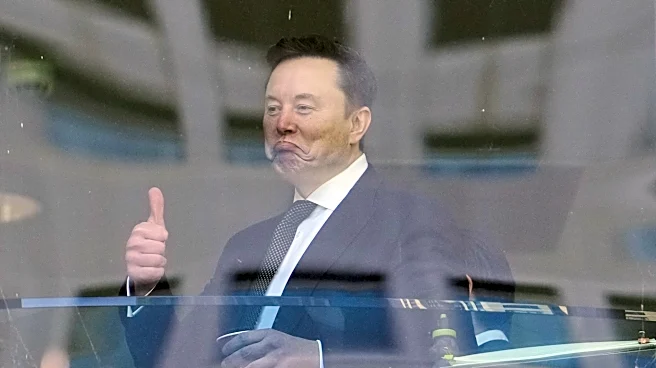
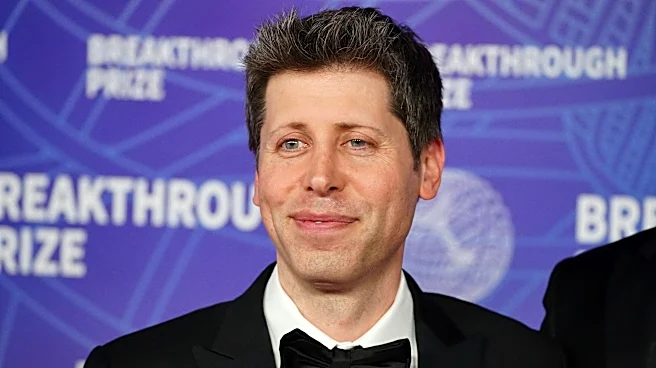
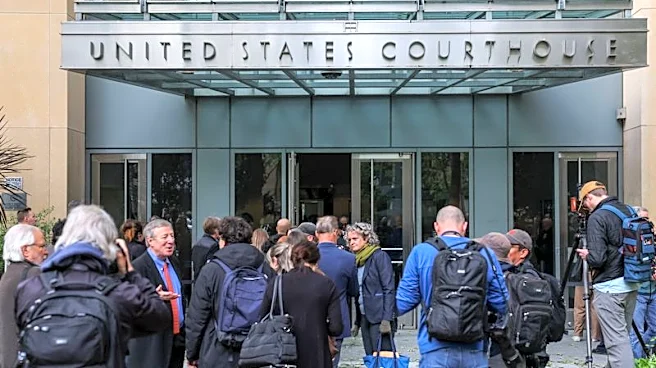
Elon Musk is testifying in a lawsuit against OpenAI and its CEO, Sam Altman, accusing them of deviating from the company's original nonprofit mission. The trial, held in Oakland, California, focuses on whether
OpenAI's creation of a for-profit arm violated its founding principles. Musk, who co-founded OpenAI in 2015, claims that the company's partnership with Microsoft and subsequent $10 billion investment compromised its nonprofit status. Musk argues that the shift to a for-profit model was a betrayal of the company's mission to develop AI for the benefit of humanity. The trial is expected to continue with further testimonies and cross-examinations.
Why It's Important?
The trial raises important questions about the ethical responsibilities of tech companies, particularly those involved in AI development. Musk's allegations against OpenAI highlight the challenges of balancing financial growth with maintaining a mission-driven approach. The case could influence how tech companies structure their business models and the level of transparency required in their operations. Additionally, the trial underscores the competitive landscape in the AI industry, with Musk's xAI positioned as a rival to OpenAI. The outcome may affect investor confidence and regulatory scrutiny in the tech sector.
What's Next?
As the trial progresses, key testimonies from both sides will be crucial in determining the outcome. Musk's continued testimony and the cross-examination of other witnesses, including OpenAI executives, will provide further insights into the internal dynamics of the company. The legal arguments presented could influence public perception and investor confidence in OpenAI. Additionally, the trial may prompt discussions among policymakers about the need for clearer guidelines on the transition of tech companies from nonprofit to for-profit entities.