





What's Happening?
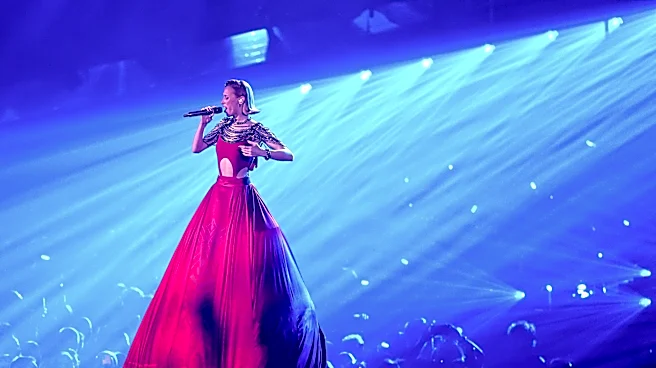
Bulgarian singer Dara clinched victory at the 70th Eurovision Song Contest held in Vienna with her upbeat party anthem 'Bangaranga'. This marks Bulgaria's first win in the history of the contest. Dara's performance, characterized by infectious beats and
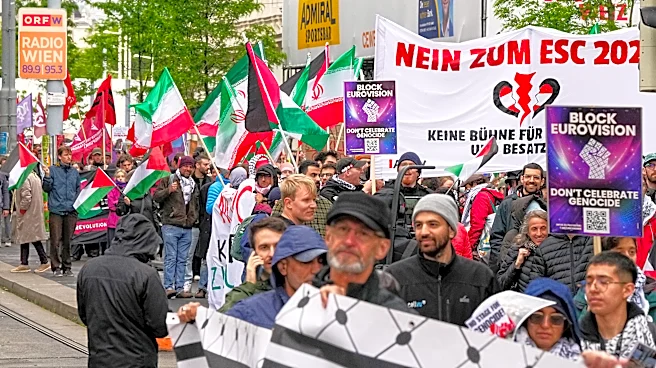
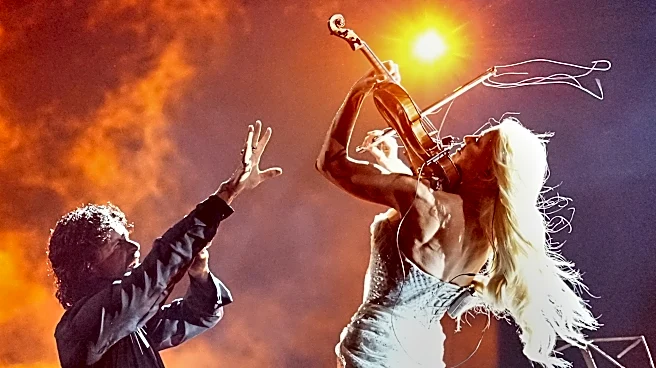
a well-choreographed dance routine, resonated with both national juries and viewers, securing her the top spot among 24 other competitors. The contest, known for its eclectic mix of performances, also saw Israeli competitor Noam Bettan finishing second amidst protests against Israel's participation. The event was marked by a variety of acts, including a Moldovan folk rapper and a Serbian metal band, showcasing the diverse musical tastes across Europe.
Why It's Important?
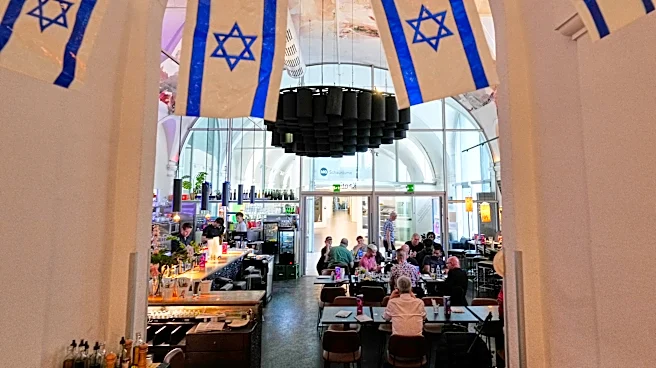
The Eurovision Song Contest is not just a musical event but a cultural phenomenon that often reflects broader political and social issues. Bulgaria's win is significant as it highlights the country's growing influence in the European cultural scene. The contest also underscores the ongoing political tensions, as seen with the protests against Israel's participation due to its conflicts in Gaza. Such events can impact international relations and cultural diplomacy. Additionally, the contest's ability to draw millions of viewers worldwide demonstrates its role in promoting cultural exchange and unity through music.
What's Next?
Eurovision is planning to expand its reach with a spinoff event in Bangkok, Thailand, scheduled for November. This move indicates the contest's ambition to grow its global footprint beyond Europe. The expansion could lead to increased cultural exchanges and opportunities for artists from different regions to showcase their talents on an international stage. However, the political controversies surrounding the contest, such as the calls for boycotts, may continue to pose challenges for its organizers.
Beyond the Headlines
The Eurovision Song Contest often serves as a platform for underrepresented countries and artists to gain international recognition. This year's contest highlighted the theme of underdogs rising to prominence, as seen with Bulgaria's unexpected win. The event also raises questions about the intersection of politics and entertainment, as political messages and protests have become a recurring aspect of the contest. This dynamic can influence public perception and the future direction of the event.