
What's Happening?
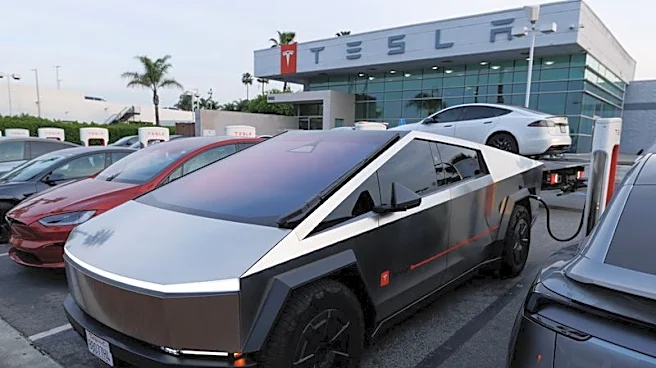
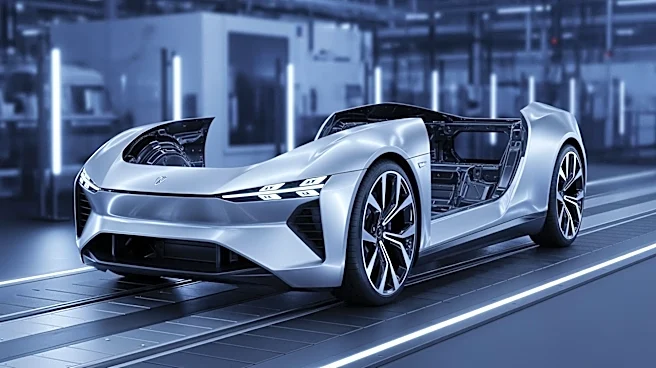
Tesla has commenced production of its Cybercab robotaxi at the Gigafactory in Austin, Texas. CEO Elon Musk announced the development on social media, showcasing videos of the Cybercab rolling out of the factory.
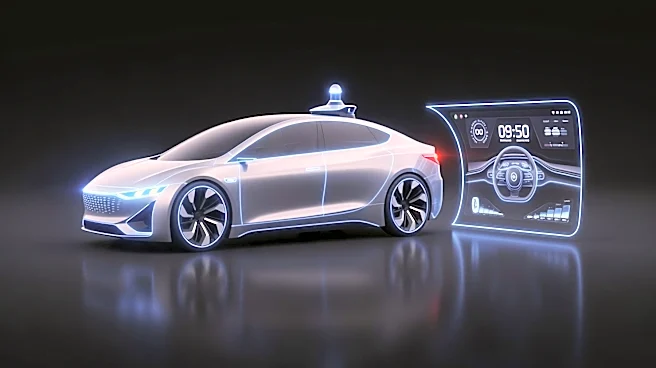
The Cybercab is designed for full autonomy, potentially without a steering wheel or pedals. Despite the production start, Musk has indicated that the rollout will be slow due to supply chain and safety validation challenges. The NHTSA is investigating Tesla's Full Self-Driving system, which has raised safety concerns. Currently, Tesla operates a limited robotaxi service in Texas with its Model Y vehicles, which still include steering wheels and pedals.
Why It's Important?
The introduction of the Cybercab is a critical step for Tesla as it aims to revolutionize the ride-hailing industry with fully autonomous vehicles. This development could disrupt traditional taxi services and impact employment in the sector. However, Tesla faces significant competition from companies like Waymo and Zoox, which already operate driverless services in multiple U.S. cities. The success of the Cybercab will depend on overcoming technical, regulatory, and public perception challenges, particularly regarding safety and reliability.
What's Next?
Tesla plans to expand its robotaxi fleet across the U.S., but the timeline remains uncertain due to ongoing safety investigations and production challenges. The company aims to produce 2 million Cybercabs annually, but initial production will be slow. As Tesla navigates these challenges, it will need to address regulatory requirements and public concerns about the safety of autonomous vehicles. The outcome of the NHTSA investigation could significantly impact Tesla's future plans.