




What's Happening?
The cell and gene therapy (CGT) manufacturing sector is experiencing significant changes as companies focus on scaling up production to meet increasing market demands. The industry faces challenges related to labor, cost, and speed-to-market, prompting
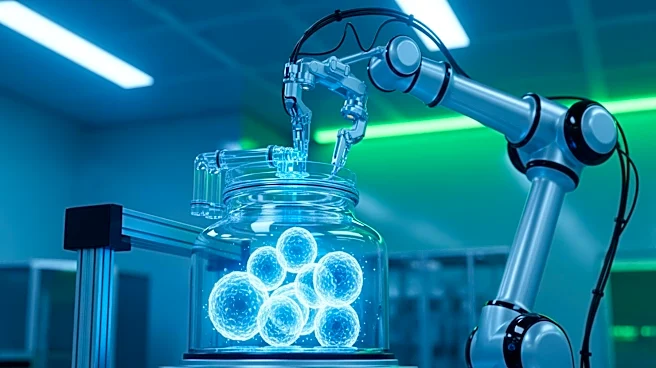
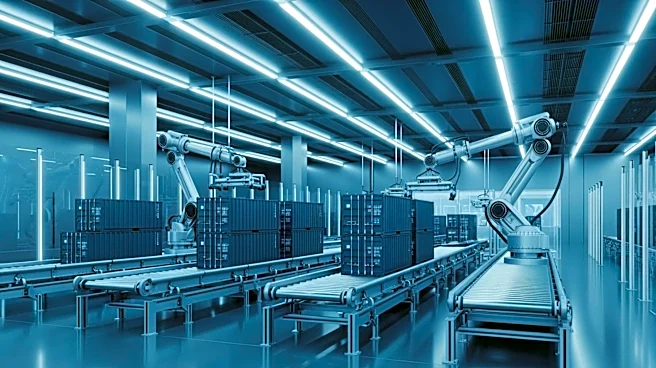
a shift towards automation and digitalization. Companies like Cellular Origins are developing robotic platforms to standardize and automate manufacturing processes, reducing reliance on manual labor and minimizing errors. Machine learning and artificial intelligence are being integrated to enhance data analysis and process optimization. Collaboration across the CGT ecosystem, including partnerships with device manufacturers and therapy developers, is essential to advance production capabilities and ensure broader patient access to therapies.
Why It's Important?
The push towards automation and collaboration in CGT manufacturing is crucial for the industry's growth and sustainability. As the demand for cell and gene therapies increases, scalable and efficient production methods are necessary to make these treatments accessible to a larger patient population. Automation reduces the risk of human error and contamination, leading to higher quality and consistency in product output. Collaborative efforts among industry stakeholders can accelerate innovation and streamline regulatory processes, ultimately benefiting patients by providing timely access to life-saving therapies. The advancements in CGT manufacturing also have the potential to lower production costs, making treatments more affordable.
What's Next?
The CGT industry is likely to see continued investment in automation technologies and digital systems to further enhance manufacturing efficiency. Companies may focus on developing integrated platforms that connect various stages of the production process, from raw material handling to final product packaging. Regulatory bodies might also play a role in shaping the future of CGT manufacturing by establishing guidelines that support the adoption of new technologies. As collaborations between manufacturers, device companies, and therapy developers increase, the industry could witness the emergence of new business models and partnerships aimed at optimizing the entire supply chain.