





What's Happening?
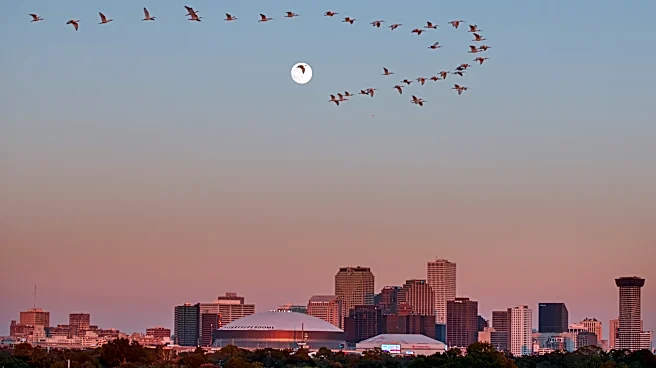
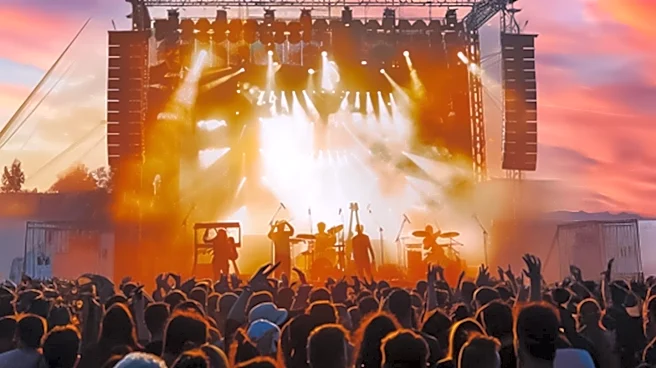
The New Orleans Jazz & Heritage Festival has commenced at the Fair Grounds Race Course, marking the beginning of a vibrant cultural season in the city. This long-standing festival is celebrated for its dedication to local music, regional traditions, and Louisiana
cuisine. It attracts visitors from across the United States and internationally, significantly boosting tourism and economic activity in New Orleans. The festival features multiple stages with performances spanning genres such as jazz, gospel, blues, R&B, and zydeco. Additionally, it showcases local food vendors and craftspeople, offering a comprehensive representation of the region's cultural heritage. The festival's influence extends beyond the fairgrounds, with increased live music events in areas like Frenchmen Street and the French Quarter.
Why It's Important?
The New Orleans Jazz & Heritage Festival is a crucial event for the local economy, drawing national and international visitors who contribute to the city's tourism and hospitality sectors. This influx of visitors supports local businesses, from hotels and restaurants to shops and entertainment venues. Culturally, the festival plays a vital role in preserving and promoting the rich musical and culinary traditions of New Orleans, fostering a sense of community and pride among residents. It also provides a platform for local artists and vendors to showcase their talents and products to a broader audience, enhancing their visibility and economic opportunities.
What's Next?
As the festival continues, daily attendance is expected to remain strong, sustaining the economic and cultural momentum it generates. Local businesses and cultural venues are likely to benefit from the increased foot traffic and engagement. The festival's success may encourage further investment in cultural events and tourism infrastructure in New Orleans, reinforcing the city's reputation as a premier destination for cultural tourism. Stakeholders, including city officials and business leaders, will likely monitor the festival's impact to inform future planning and development strategies.