






What's Happening?
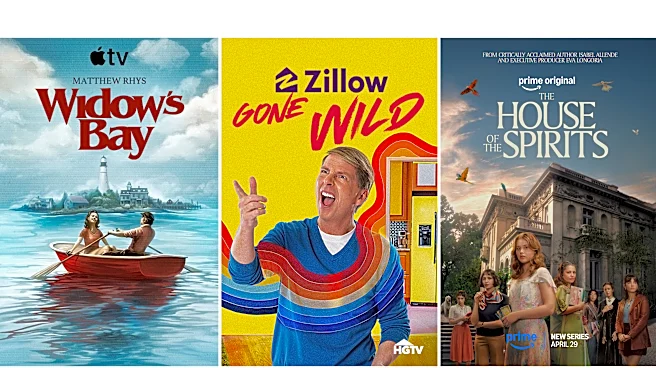
Amazon Prime Video has released 'The House of the Spirits,' a series adaptation of Isabel Allende's 1982 novel. Produced by Eva Longoria, the show is set in a fictional South American country during a military coup in the 1970s. It follows the Trueba
family, focusing on three generations of women and their struggles against the backdrop of political unrest and familial tyranny. The series, which is the first Spanish-language adaptation of the novel, explores themes of family, passion, and revenge. The narrative is driven by Alba, who discovers her grandmother Clara's notebooks, revealing the family's history and her own origins. The show is noted for its stunning visuals and faithful adaptation of Allende's storytelling.
Why It's Important?
The release of 'The House of the Spirits' is significant as it brings a celebrated literary work to a broader audience through a visual medium. The series highlights the cultural and political dynamics of a conservative society, reflecting on issues of women's autonomy and the impact of machismo. By focusing on the experiences of women, the show underscores the importance of female narratives in historical and contemporary contexts. The adaptation also addresses the need for diverse representation in media, particularly in portraying Latin American stories authentically. This series could influence future adaptations of literary works, encouraging more inclusive casting and storytelling.
What's Next?
As the series progresses, viewers can expect to see deeper explorations of the characters' personal and political struggles. The show's reception may prompt discussions on the adaptation of classic literature into modern formats, potentially leading to more projects that highlight underrepresented voices. The success of 'The House of the Spirits' could also inspire other streaming platforms to invest in similar adaptations, broadening the scope of international storytelling in mainstream media.
Beyond the Headlines
The adaptation of 'The House of the Spirits' raises questions about the portrayal of historical events and cultural narratives in media. It challenges the traditional narratives dominated by male perspectives, offering a platform for female voices and experiences. The series also prompts reflection on the historical and ongoing struggles for gender equality and social justice in Latin America and beyond. By bringing these issues to the forefront, the show contributes to a broader cultural conversation about representation and diversity in entertainment.