







What's Happening?
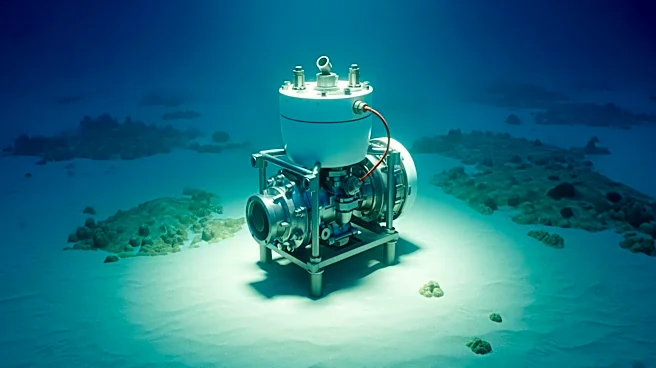
Rodrigo Farias, Vice President at Baker Hughes, discusses the rapid progress of electrification in the oil and gas sector, driven by the need for efficiency, cost reduction, and environmental mandates. Electrification is simplifying systems, improving
reliability, and reducing the total cost of ownership, particularly in offshore and deepwater environments. Farias explains that replacing hydraulic systems with electric ones reduces complexity and enhances control, leading to better reservoir management and increased production efficiency. This shift is part of a broader strategy to reduce carbon footprints and improve operational performance.
Why It's Important?
The move towards electrification in the oil and gas industry represents a significant shift in how energy companies manage resources and environmental impact. By reducing reliance on hydraulic systems, companies can lower operational costs and improve system reliability, which is crucial for maintaining competitiveness in a challenging market. Additionally, electrification supports decarbonization efforts, aligning with global environmental goals and regulatory requirements. This transition not only benefits the environment but also positions companies like Baker Hughes as leaders in sustainable energy solutions, potentially influencing industry standards and practices.
What's Next?
As electrification continues to gain traction, more oil and gas companies are expected to adopt similar strategies to enhance efficiency and sustainability. This could lead to increased investment in electric technologies and infrastructure, as well as collaborations with technology providers to develop innovative solutions. Regulatory bodies may also play a role in accelerating this transition by implementing policies that encourage or mandate reduced carbon emissions. The industry may see a shift in workforce skills and training to support the new technologies, ensuring that employees are equipped to manage and optimize electrified systems.