





What's Happening?
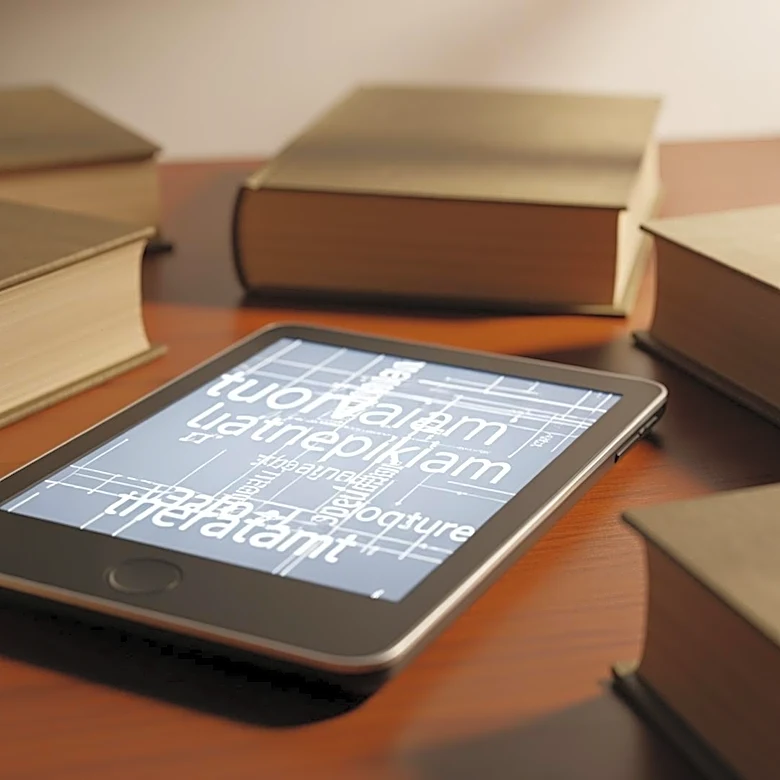
A recent study published in PLOS ONE has found that reading physical books, such as Japanese manga, enhances cognitive processing compared to digital reading. The research, led by Kuniyoshi L. Sakai from the University of Tokyo, indicates that physical books provide
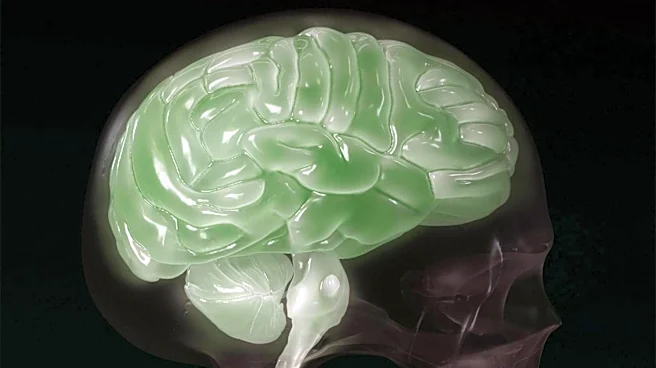
sensory anchors that aid in story comprehension and memory retention. The study involved participants reading manga on both paper and digital formats, with results showing that those who read on paper had reduced brain activity in areas associated with language processing, suggesting a more efficient cognitive process.
Why It's Important?
This study highlights the potential cognitive advantages of physical books, which could influence educational practices and reading habits. As digital media becomes increasingly prevalent, understanding its impact on cognitive functions is vital. The findings suggest that physical books might offer a more effective medium for learning and memory retention, which could have implications for educational strategies and the publishing industry. This research underscores the need to consider the format of reading materials in educational settings to optimize learning outcomes.
What's Next?
Future research may explore the effects of different reading formats on various types of content, such as novels or academic texts, to determine if the cognitive benefits observed with manga extend to other genres. Additionally, studies could investigate the impact of writing tools, comparing traditional pen and paper with digital devices, to further understand how physical interaction with media influences cognitive processes.