
What's Happening?
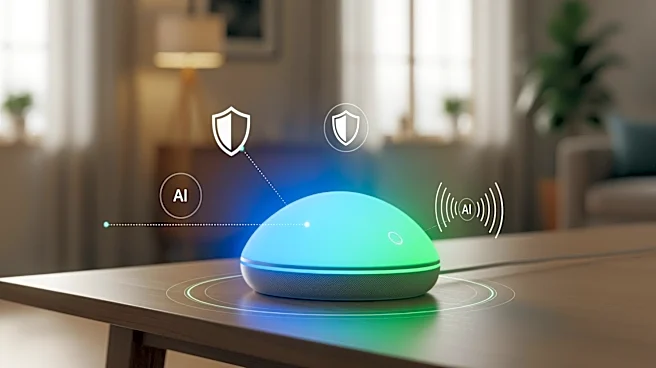
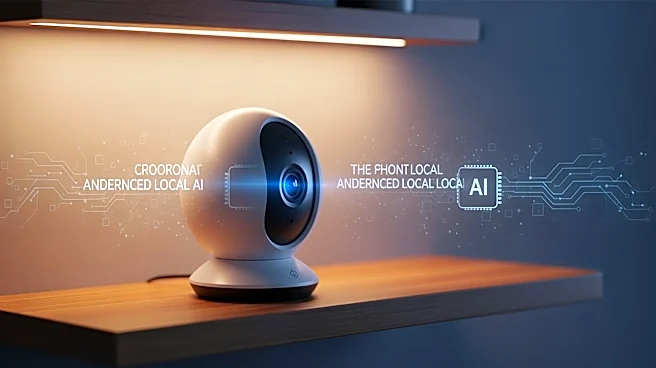
Eufy has announced the release of a new AI agent called EdgeAgent, designed to enhance home security without requiring a subscription. This AI agent will operate locally on a new device called the Smart
Security Shield, which features a 180-degree field of view camera and digital security key technology to prevent unauthorized access. The device is intended for outdoor use and utilizes facial recognition to identify individuals from up to 100 feet away. Eufy claims that the local processing of AI data makes it 63% faster than cloud-based systems, reducing delays significantly. The EdgeAgent can activate security measures such as turning on a spotlight or sending alerts based on its analysis. Unlike other brands that charge subscription fees for similar features, Eufy offers these capabilities without additional costs, emphasizing privacy and security by keeping data processing local.
Why It's Important?
The introduction of Eufy's EdgeAgent represents a significant shift in the home security market, particularly in terms of privacy and cost. By eliminating the need for cloud-based data processing, Eufy addresses privacy concerns associated with data breaches and unauthorized access. This approach also reduces the risk of data being used to train AI models without user consent. The no-subscription model makes advanced security features more accessible to a broader audience, potentially disrupting the market dominated by companies that charge monthly fees. This development could lead to increased competition and innovation in the home security industry, benefiting consumers with more affordable and secure options.
What's Next?
Eufy plans to launch the Smart Security Shield with EdgeAgent in the second half of 2026. As the product becomes available, it will be important to monitor consumer reception and any potential challenges related to the technology's implementation. Other security companies may respond by enhancing their own offerings or adjusting pricing models to remain competitive. Additionally, regulatory bodies might take an interest in the privacy implications of local AI processing, potentially influencing future industry standards.