



What's Happening?
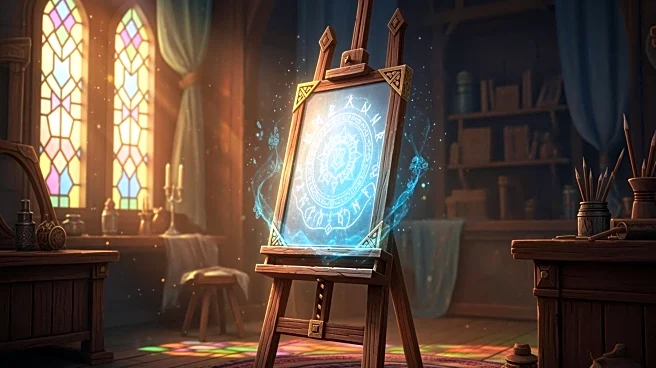
In the popular online game World of Warcraft: Midnight, a player named Christa has discovered a method to significantly reduce the price of an in-game painting, originally priced at 9,999,999 gold. This painting, sold by the non-playable character (NPC)
Cravitz Lorent in the Midnight's Murder Row dungeon, was initially a mystery due to its exorbitant cost. Christa, a dedicated player and secret-finder, utilized a series of bad fortunes from another NPC, Soothsayer Sargle, to unlock a discount. By collecting these fortunes, Christa was able to negotiate the painting's price down to 999 gold. This discovery has sparked interest among players who are eager to collect in-game items at a reduced cost.
Why It's Important?
This event highlights the intricate design and hidden challenges within World of Warcraft, a game known for its complex puzzles and player engagement strategies. The discovery not only showcases the creativity and dedication of the player community but also emphasizes the game's ability to maintain interest through hidden content. For Blizzard, the game's developer, such player-driven discoveries can enhance community engagement and prolong the game's lifespan. Players who invest time in uncovering these secrets can gain a sense of achievement and potentially influence in-game economies by trading valuable items at reduced prices.
What's Next?
Following this discovery, it is likely that more players will attempt to replicate Christa's method to obtain the painting at a lower cost. This could lead to increased activity in the game's auction house as players trade fortunes and other items. Blizzard may also respond by introducing new challenges or secrets to maintain player interest. Additionally, the community might see a rise in collaborative efforts to uncover other hidden aspects of the game, fostering a more interactive and engaging environment.
Beyond the Headlines
The event underscores the cultural impact of video games as platforms for social interaction and problem-solving. It also raises questions about the balance between in-game economies and player satisfaction. As players continue to find ways to circumvent high costs, developers must consider the implications for game design and player retention. This scenario also highlights the potential for games to serve as a microcosm of real-world economic principles, where supply, demand, and negotiation play crucial roles.