






What's Happening?
The NCAA has introduced a new seeding format for the 2026 college baseball tournament, which will rank the top 32 teams instead of just the 16 regional hosts. This change aims to provide a more comprehensive ranking system, affecting how teams are slotted
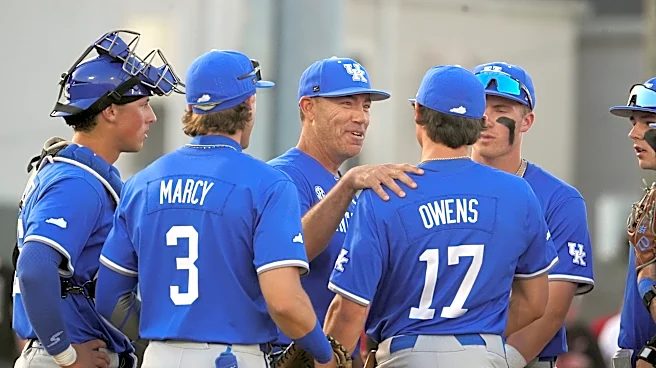
into regionals. The Southeastern Conference (SEC) leads the projections with 13 bids, followed by the Atlantic Coast Conference (ACC) with nine. The new format pairs teams ranked 29-32 with the top four national seeds, and so on, down to teams ranked 17-20 paired with seeds 13-16. This adjustment is designed to reflect a more balanced and competitive tournament structure.
Why It's Important?
The updated seeding format is significant as it alters the competitive landscape of the NCAA baseball tournament. By expanding the ranking to 32 teams, the NCAA aims to ensure a fairer distribution of teams across the tournament, potentially impacting team strategies and preparations. This change could influence the selection process, as teams now have a clearer understanding of their potential matchups. The SEC's dominance in the projections highlights the conference's strength, which could lead to increased visibility and recruitment opportunities for its teams. Additionally, this format may affect how teams approach their regular season, knowing that a broader ranking system is in place.
What's Next?
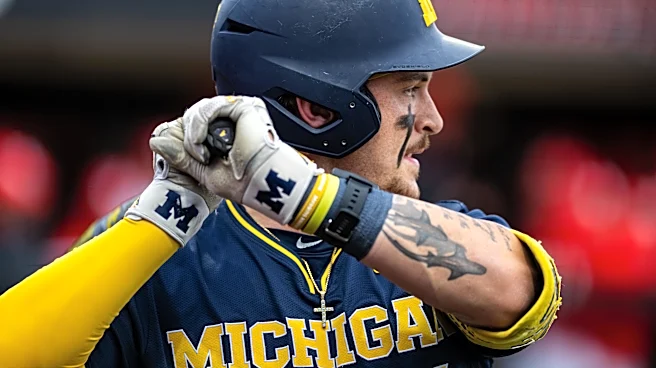
As the tournament approaches, teams will need to adapt to the new seeding format, potentially altering their strategies to secure a favorable ranking. The NCAA selection committee will continue to evaluate teams based on this updated system, which may lead to shifts in traditional power dynamics within college baseball. Teams from conferences with fewer bids, like the Big Ten, may face increased pressure to perform well in regular-season games to secure a spot in the tournament. The impact of this new format will be closely watched by coaches, players, and analysts as the tournament unfolds.