






What's Happening?
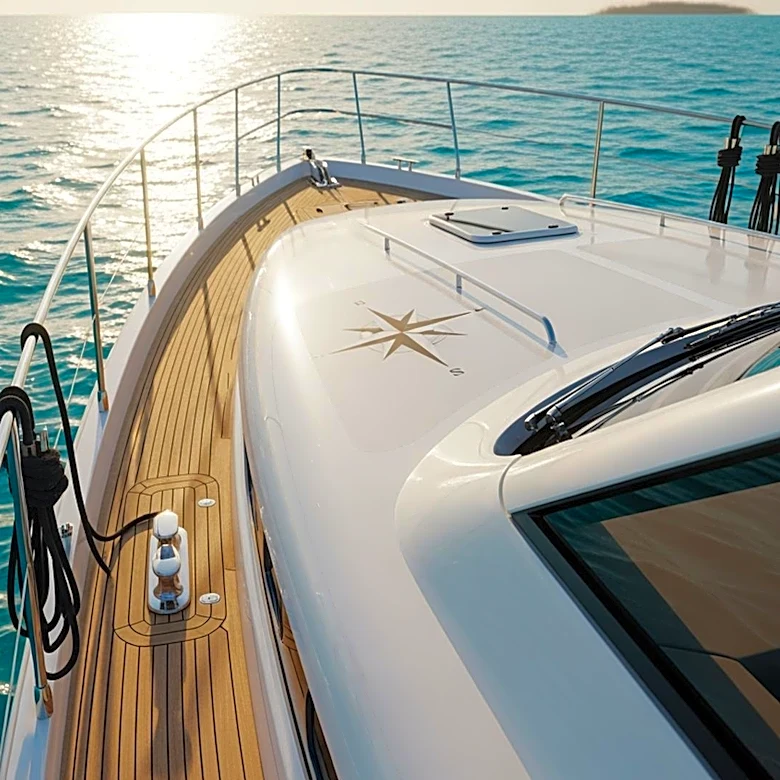
Caribbean islands are increasingly focusing on nautical tourism as a strategic economic frontier. This shift involves catering to wealthy travelers who prefer privacy and tailored experiences over traditional beach holidays. Marinas are expanding to accommodate
yachts, leading to longer stays and higher spending by visitors. This trend is transforming local economies, with spending extending beyond docking fees to upscale housing, dining, and retail sectors. The Bahamas, Saint Barth, Antigua, and Saint Martin are among the locations benefiting from this change, as they develop marinas into bustling centers of activity. The economic impact of nautical tourism is significant, with visitors contributing to various sectors, including local shops and service industries.
Why It's Important?
The rise of nautical tourism in the Caribbean represents a shift in high-net-worth travel preferences, moving away from mass-market resorts to more exclusive and personalized experiences. This trend is crucial for the region's economic development, as it attracts a wealthier clientele who spend more and stay longer. The economic ripple effect benefits multiple industries, from local services to luxury retail. However, unchecked development poses risks, such as environmental degradation and loss of cultural identity. Sustainable planning is essential to ensure long-term benefits without compromising the region's natural and cultural assets.
What's Next?
Caribbean islands must focus on sustainable development to maintain the appeal of nautical tourism. This includes creating quality marinas that prioritize environmental protection and cultural preservation. By balancing growth with sustainability, these destinations can continue to attract high-end visitors while safeguarding their unique charm. Future strategies may involve enhancing local offerings and experiences that resonate with maritime guests, ensuring that the economic benefits of nautical tourism are both substantial and enduring.
Beyond the Headlines
The shift towards nautical tourism highlights broader trends in the travel industry, where exclusivity and authenticity are increasingly valued. This change reflects a growing demand for experiences that offer privacy and genuine interactions with local cultures. As Caribbean islands adapt to these preferences, they set a precedent for other regions seeking to attract high-net-worth travelers. The emphasis on sustainability and cultural preservation could serve as a model for responsible tourism development worldwide.