








What's Happening?
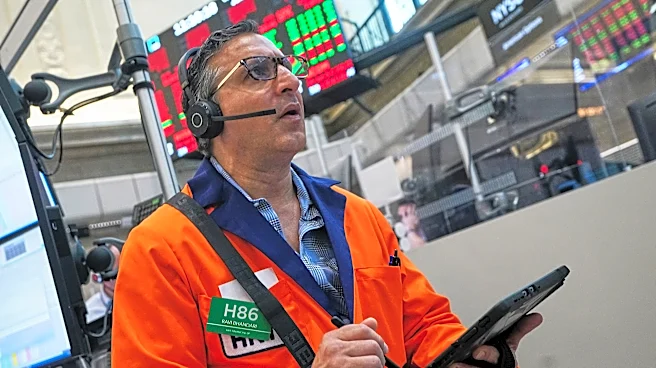
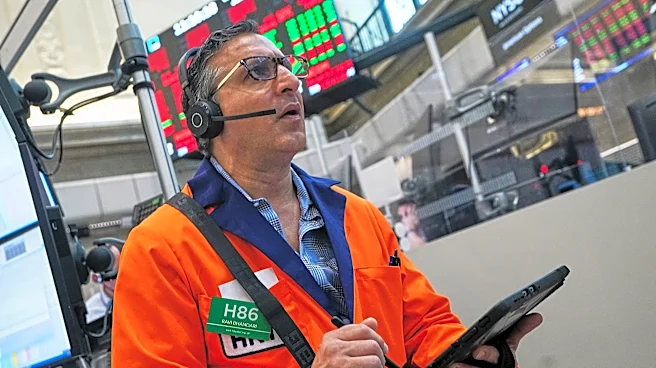
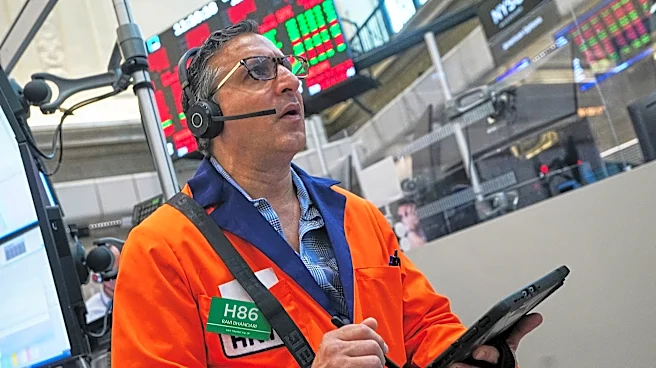
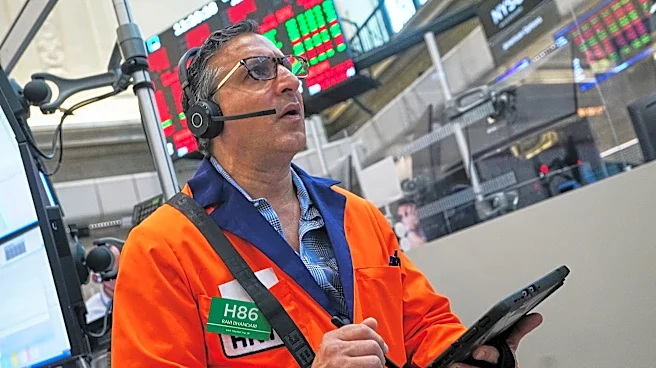
The U.S. stock market is experiencing significant volatility due to a combination of factors, including a selloff in AI-related stocks and geopolitical tensions in the Middle East. The selloff was triggered by disappointing earnings from chipmaker Broadcom,
which led to a broader decline in technology stocks. This has caused the Nasdaq-100 futures to trend lower, indicating a potential second day of losses for tech stocks. Additionally, geopolitical tensions have been exacerbated by the stalled U.S.-Iran peace talks and ongoing hostilities in the Middle East, particularly involving Iran-backed Hezbollah and Israel. These developments have contributed to a defensive stance among investors, leading to declines in Asian markets and impacting global futures.
Why It's Important?
The current market volatility highlights the sensitivity of the U.S. stock market to both corporate earnings and international geopolitical events. The AI sector, which has been a significant driver of market gains, is now facing scrutiny as investor expectations may have outpaced actual performance. This could lead to a reassessment of valuations in the tech sector. Furthermore, the geopolitical tensions in the Middle East, particularly the unresolved U.S.-Iran peace talks, pose risks to global energy markets and economic stability. The uncertainty surrounding these issues could lead to increased market volatility, affecting investor confidence and potentially influencing Federal Reserve policy decisions.
What's Next?
Investors are closely monitoring upcoming U.S. nonfarm payrolls data, which could provide insights into the health of the U.S. labor market and influence Federal Reserve interest rate decisions. A stronger-than-expected jobs report could narrow the odds of a rate hike, adding another layer of complexity to market dynamics. Additionally, developments in U.S.-Iran negotiations and Middle East hostilities will continue to be key factors influencing market sentiment. Traders are also watching for potential interventions by Japanese officials to stabilize the yen, which could have broader implications for currency markets.