





What's Happening?
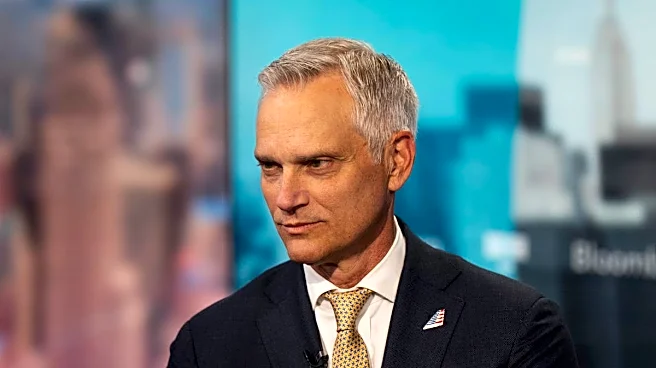
United Airlines CEO Scott Kirby has downplayed the likelihood of immediate consolidation within the U.S. airline industry, despite previous discussions about potential mergers. Kirby had previously suggested a merger with American Airlines to the Trump
administration, which was reportedly open to such moves. However, American Airlines rejected the proposal. Kirby emphasized that any consolidation should benefit customers and noted that a merger would require support from various stakeholders, including unions and regulators. He also commented on the importance of competition among engine manufacturers, highlighting GE's efforts and expressing concerns about Rolls Royce.
Why It's Important?
Kirby's comments highlight the complexities and challenges of airline mergers, which require broad support and must make economic sense. The potential for consolidation could impact competition, customer service, and pricing in the airline industry. A merger between major carriers like United and American could reshape the market, affecting stakeholders from employees to passengers. Kirby's emphasis on customer benefits suggests a shift in how mergers are evaluated, potentially influencing future regulatory and industry approaches to consolidation.
What's Next?
While Kirby does not foresee immediate consolidation, the industry remains dynamic, with potential for future mergers if conditions align. Stakeholders, including airlines, regulators, and customers, will continue to monitor developments. The focus on customer benefits may influence future merger discussions and regulatory considerations. Additionally, Kirby's comments on engine manufacturers suggest ongoing scrutiny of supply chain dynamics, which could affect future aircraft procurement and operational strategies.