



What's Happening?
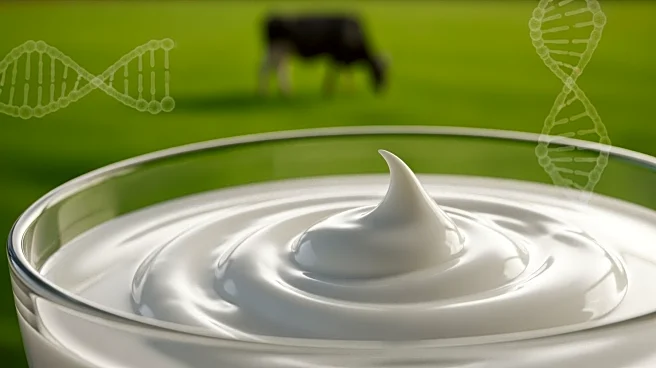
Recent developments in cow genetics and nutrition have significantly increased the butterfat content in American milk. Dairy cows are now producing up to 1,025 pounds of fat annually, a substantial rise from the 670 pounds recorded in 2000. This increase is largely due to genetic improvements and precise dietary management. The sequencing of the first dairy cow genome in 2009 allowed farmers to select bulls for breeding based on predicted traits, including milk-fat yield. This has led to the widespread adoption of high-butterfat milk genes in the American dairy herd. Additionally, the cows' diets are meticulously managed, with genetically modified crops and specific supplements like palmitic acid being used to boost butterfat production. However,
this increase in butterfat has led to an oversupply, causing butter prices to collapse and creating challenges for farmers and cheese makers.
Why It's Important?
The rise in butterfat content has significant implications for the dairy industry. While consumers benefit from cheaper butter, farmers face economic challenges due to the oversupply. The increased butterfat content also poses difficulties for cheese makers, who must adjust their processes to accommodate the richer milk. This situation highlights the delicate balance between genetic advancements and market demands. The dairy industry must navigate these changes to maintain profitability and meet consumer needs. The focus on butterfat has overshadowed other components like protein, which could offer alternative economic opportunities if effectively harnessed.
What's Next?
The dairy industry may need to explore new strategies to manage the butterfat surplus. This could involve diversifying product offerings or adjusting breeding practices to focus on other milk components like protein. Additionally, the industry might consider increasing the use of butterfat in products such as ice cream, which could absorb some of the excess supply. As breeding decisions made recently will impact the industry for years to come, stakeholders must carefully consider future genetic and nutritional strategies to align with market trends and consumer preferences.
Beyond the Headlines
The increase in butterfat content raises questions about the long-term sustainability of current dairy farming practices. The reliance on genetic modifications and specific dietary supplements may have environmental and ethical implications. Furthermore, the focus on maximizing butterfat production could limit genetic diversity within dairy herds, potentially affecting resilience to diseases and changing environmental conditions. The industry must balance the pursuit of economic gains with responsible farming practices to ensure the health and sustainability of dairy operations.