





What's Happening?
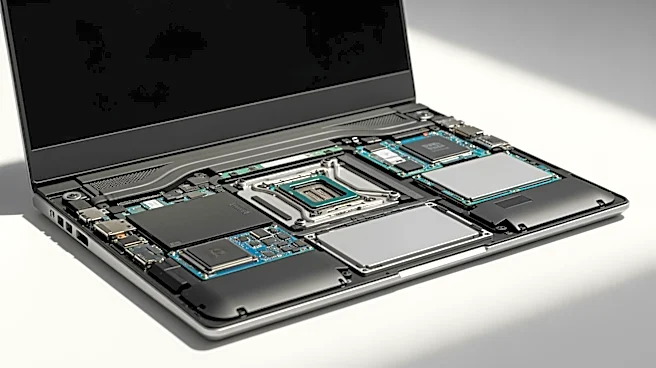
The Framework Laptop 13 Pro has been introduced, emphasizing its unique design philosophy that prioritizes upgradeability and repairability. This laptop is part of Framework's broader mission to create computers that users can easily upgrade and repair,
potentially extending the device's lifespan and reducing electronic waste. The laptop is designed to cater to both Linux and Windows users, offering a versatile platform that aligns with the needs of tech enthusiasts and environmentally conscious consumers. The Framework Laptop 13 Pro is noted for its impressive specifications and user-friendly design, which could make it a popular choice among those who value sustainability and customization in their tech products.
Why It's Important?
The introduction of the Framework Laptop 13 Pro is significant as it addresses growing consumer demand for sustainable and customizable technology. In an industry often criticized for planned obsolescence and limited repair options, Framework's approach offers a refreshing alternative. This could influence other manufacturers to adopt similar practices, potentially leading to a shift in the tech industry towards more sustainable production methods. For consumers, this means greater control over their devices and the ability to extend the life of their technology investments, which can lead to cost savings and reduced environmental impact.
What's Next?
As the Framework Laptop 13 Pro enters the market, it will be important to monitor consumer reception and sales performance. If successful, it could encourage other tech companies to explore similar sustainable design practices. Additionally, the laptop's performance and user feedback will likely influence future iterations and enhancements. Stakeholders in the tech industry, including competitors and environmental advocates, will be watching closely to see if this model can set a new standard for sustainable technology.
Beyond the Headlines
The Framework Laptop 13 Pro's emphasis on repairability and upgradeability highlights a broader cultural shift towards sustainability and consumer empowerment in technology. This development could lead to increased advocacy for right-to-repair legislation, which aims to give consumers more control over their electronic devices. Furthermore, as consumers become more environmentally conscious, companies that fail to adapt to these values may face reputational risks and decreased market share.