






What's Happening?
Korin Nolan, a 47-year-old Pilates instructor, shares insights on effective fat loss strategies for women, particularly those in their mid-to-late 40s. Nolan emphasizes that extreme calorie deficits are often counterproductive, leading to burnout and
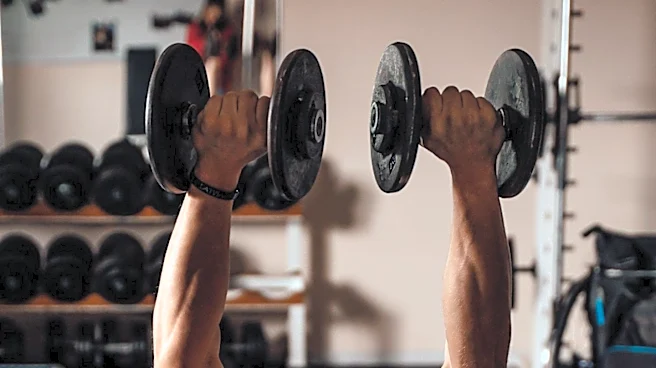
low energy. Instead, she advocates for a balanced approach focusing on macronutrients, such as protein and fiber, and maintaining a healthy balance of fats and carbohydrates. Nolan also highlights the importance of walking, aiming for 12-15k steps per day, and regular strength training to support muscle maintenance and boost metabolism. Her approach includes mindful eating, particularly around workout times, and ensuring adequate rest days for recovery.
Why It's Important?
This approach challenges the traditional notion that severe calorie restriction is the key to fat loss, particularly for women experiencing hormonal changes during perimenopause. By focusing on macronutrients and regular physical activity, Nolan's strategy promotes sustainable weight management and overall health. This perspective is significant as it addresses the unique challenges faced by women over 40, offering a more holistic and effective method for achieving fitness goals. The emphasis on walking and strength training also highlights the importance of maintaining muscle mass and metabolic health, which are crucial for long-term well-being.
What's Next?
As more women become aware of the limitations of extreme dieting, there may be a shift towards more balanced and sustainable fitness strategies. Fitness professionals and health advocates might increasingly promote approaches that prioritize overall health and well-being over rapid weight loss. This could lead to a broader acceptance of diverse fitness routines that cater to individual needs and life stages, potentially influencing fitness industry trends and public health recommendations.
Beyond the Headlines
Nolan's insights also touch on the psychological aspects of fitness, such as the importance of avoiding burnout and maintaining motivation. By advocating for a balanced approach, she addresses the mental health benefits of sustainable fitness practices. This perspective could encourage a cultural shift towards more compassionate and realistic health goals, reducing the stigma around body image and promoting a healthier relationship with food and exercise.