





What's Happening?
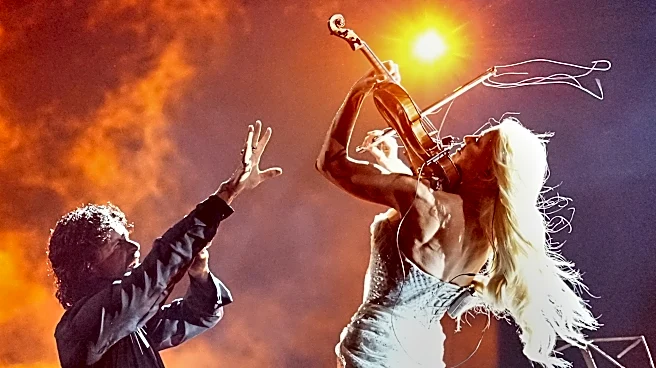
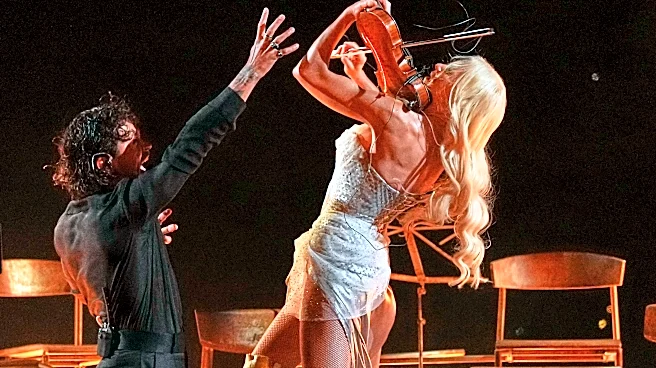
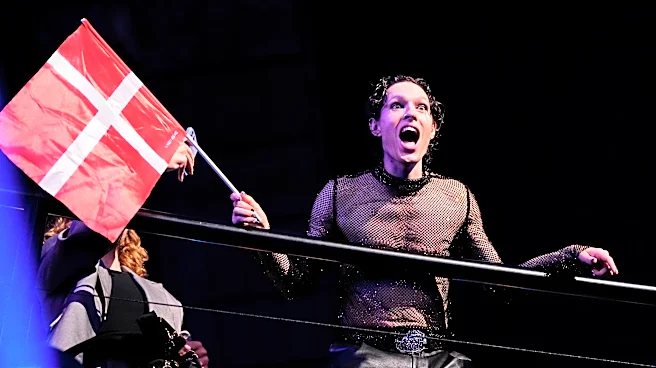
The 2026 Eurovision Song Contest Grand Final is underway in Vienna, featuring 25 countries competing for the title. Finland and Australia are among the top contenders, with Finland represented by violinist Linda Lampenius and singer Pete Parkkonen, and Australia by Delta
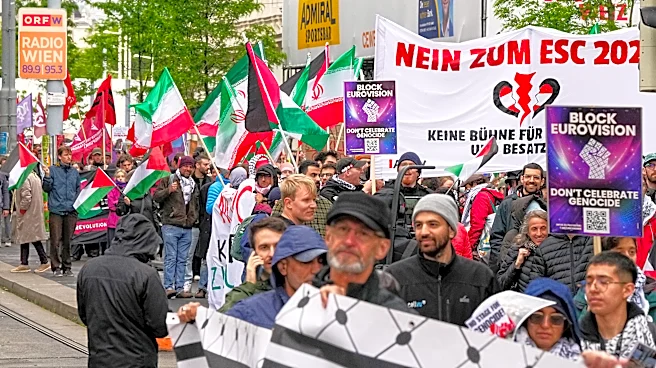
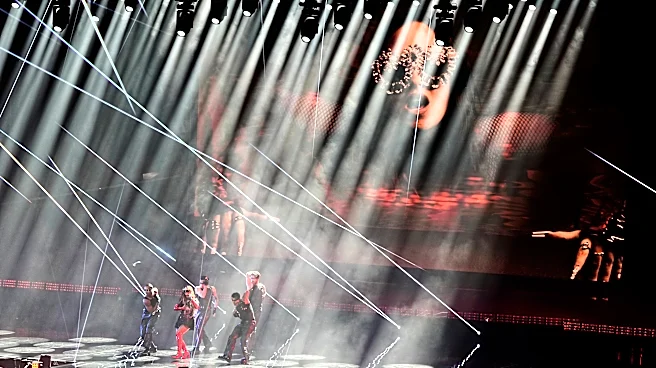
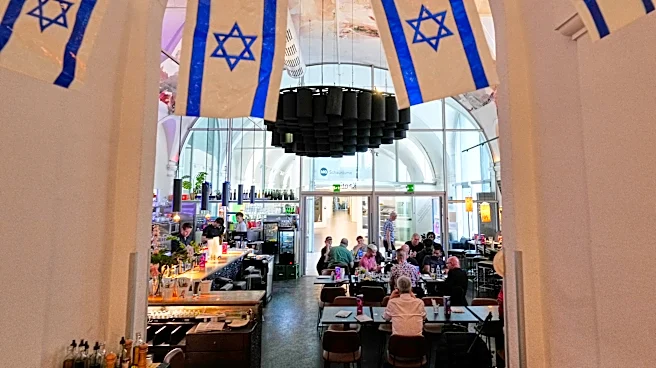
Goodrem. The event has seen political boycotts from several countries, including Ireland and Spain, due to Israel's participation amidst the Gaza conflict. Despite protests, the contest continues to attract a large audience, with over 10,000 fans attending the final. The show includes performances in multiple languages, showcasing a diverse range of musical styles.
Why It's Important?
Eurovision is a significant cultural event that promotes international collaboration and showcases diverse musical talents. The political boycotts highlight the intersection of entertainment and global politics, reflecting how cultural events can be influenced by geopolitical issues. The contest's ability to draw large audiences underscores its role in fostering cultural exchange and unity. Eurovision also provides artists with a platform to gain international recognition, potentially boosting their careers and influencing music trends.
What's Next?
As the contest progresses, the final results will determine the winner, impacting the participating artists' careers and their countries' cultural prestige. The political tensions surrounding the event may lead to further discussions on the role of cultural diplomacy and the impact of geopolitical conflicts on international events. Eurovision's organizers may need to address these challenges to ensure the contest remains a platform for cultural celebration and unity.