





What's Happening?
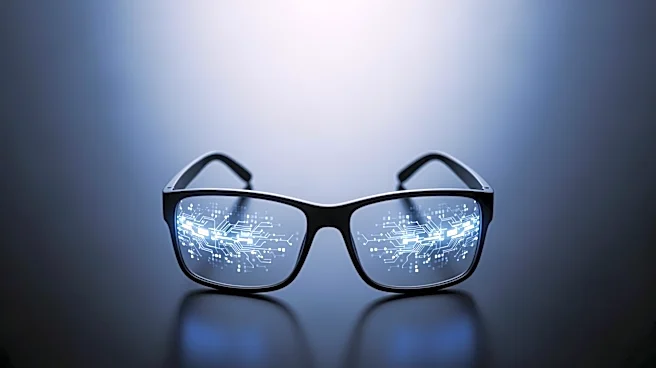
Xreal, a company known for its augmented reality (AR) technology, is facing industry scrutiny following a statement by its founder, Chi Xu, at the Google I/O event. Xu candidly acknowledged the challenges in developing their smart glasses, Project Aura,
which are set to launch commercially in 2026. The glasses use OLED displays and are powered by a tethered 'puck', raising questions about their usability and market acceptance. The company is also planning an initial public offering (IPO) by the end of 2026, with a break-even target set for 2027. This timeline has drawn attention from investors and partners, who are concerned about the company's ability to meet its financial and technological milestones.
Why It's Important?
The development and potential success of Xreal's smart glasses are significant for the AR industry, which has struggled to achieve widespread consumer adoption. The company's candid admission of the difficulties involved highlights the ongoing challenges in balancing technological innovation with market viability. Investors are particularly focused on the economic implications, as the success of Xreal's IPO and its ability to reach profitability could influence investment trends in the AR sector. The outcome of Xreal's efforts may also impact consumer perceptions and acceptance of AR technology, potentially shaping the future of wearable tech.
What's Next?
As Xreal moves towards its planned commercial launch and IPO, the company will need to address the concerns raised by investors and partners regarding the product's usability and economic viability. The success of the smart glasses will depend on consumer acceptance of the tethered design and the company's ability to improve margins. Industry stakeholders will be closely monitoring Xreal's progress, as the company's performance could set a precedent for other AR ventures. The next steps will likely involve refining the product, securing strategic partnerships, and preparing for the public offering.
Beyond the Headlines
The challenges faced by Xreal underscore broader issues within the AR industry, such as the need for technological advancements that do not compromise user experience. The company's transparency about its hurdles may foster a more realistic dialogue about the future of AR, encouraging other companies to address similar challenges openly. This could lead to more collaborative efforts to overcome technological barriers and enhance the overall viability of AR products in the consumer market.