

What's Happening?
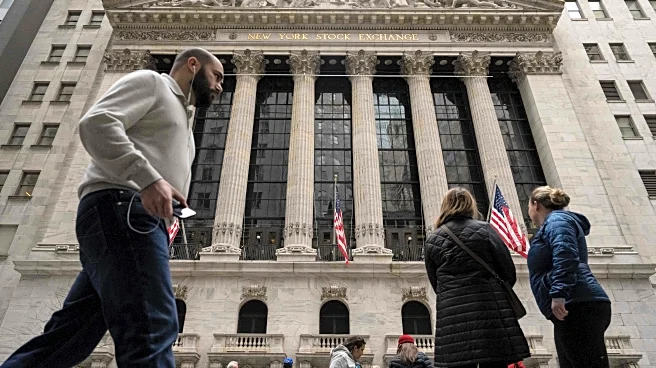
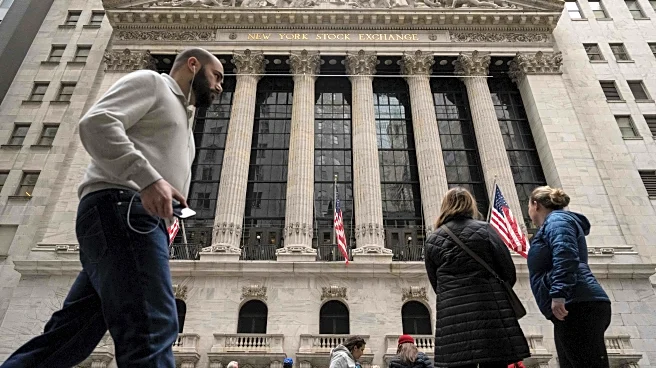
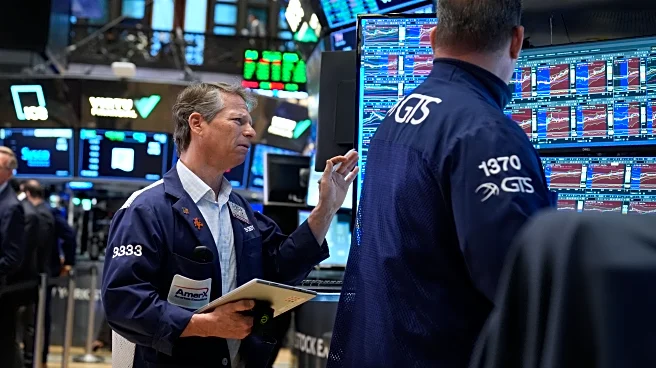
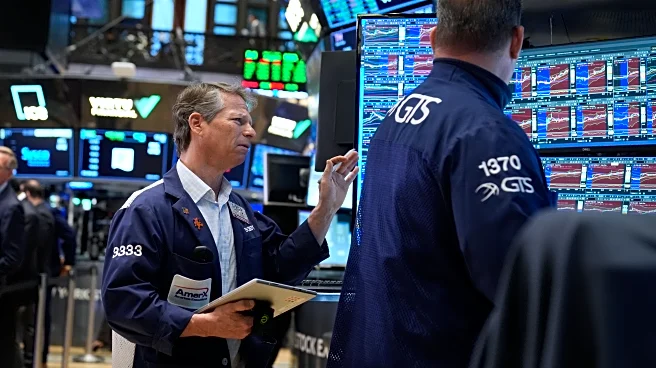
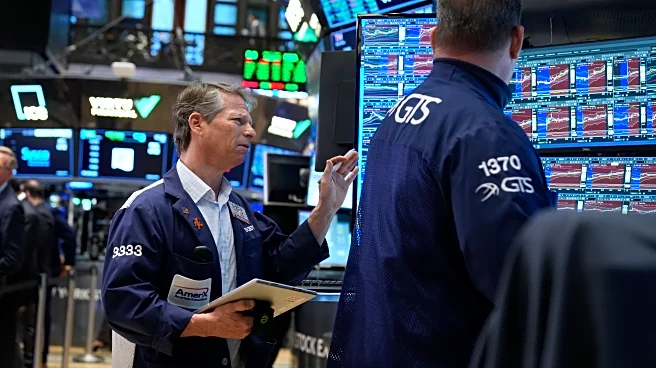
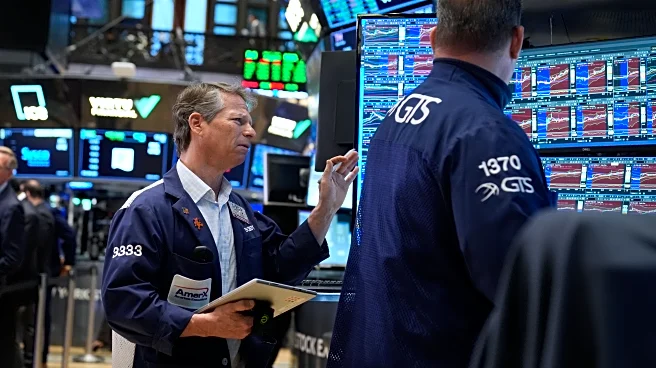
U.S. stock futures were little changed on Monday night after all three major indexes fell during the regular session, bringing the S&P 500 closer to correction territory. The S&P 500 slipped 0.39%, while the Nasdaq Composite fell 0.73%. The Dow Jones
Industrial Average bucked the trend with a slight gain. The declines were driven by the technology sector, which slid more than 1%. Geopolitical tensions in the Middle East contributed to market volatility, with the CBOE Volatility Index topping 30. President Trump indicated progress in discussions with Iran, potentially easing tensions.
Why It's Important?
The approach of the S&P 500 to correction territory signals potential investor concerns about market stability. Geopolitical tensions, particularly in the Middle East, are contributing to market volatility, affecting investor sentiment and stock prices. The technology sector's decline reflects broader concerns about economic growth and global stability. However, President Trump's comments on easing tensions with Iran may provide some relief to investors, potentially stabilizing markets. Fed Chair Jerome Powell's statement on inflation being in check and no immediate need for interest rate hikes also offers reassurance.
What's Next?
Investors will closely watch upcoming economic indicators, including March's consumer confidence index and February's JOLTS job opening numbers, for signs of economic health. The resolution of geopolitical tensions in the Middle East could stabilize oil prices and reduce market volatility. Long-term investors may view the current market pullback as a typical reset, with potential opportunities for future gains. Continued monitoring of geopolitical developments and economic data will be crucial for market participants.