


What's Happening?
Researchers at the School of Engineering have developed a neuro-symbolic AI system that could significantly reduce energy consumption in U.S. data centers. This new AI approach combines traditional neural networks with symbolic reasoning, allowing for
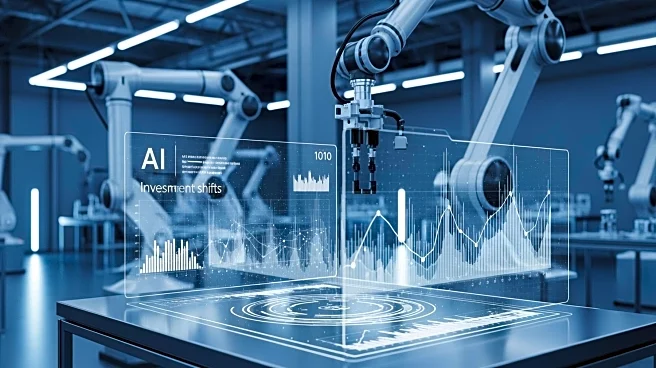
more efficient task processing. The system has demonstrated the potential to use 100 times less energy than current AI models while delivering more accurate results. The research, led by Matthias Scheutz, focuses on visual-language-action models for robots, which integrate visual and movement capabilities. The neuro-symbolic AI system has shown a 95% success rate in tests, compared to 34% for standard models, and requires only 1% of the energy for training.
Why It's Important?
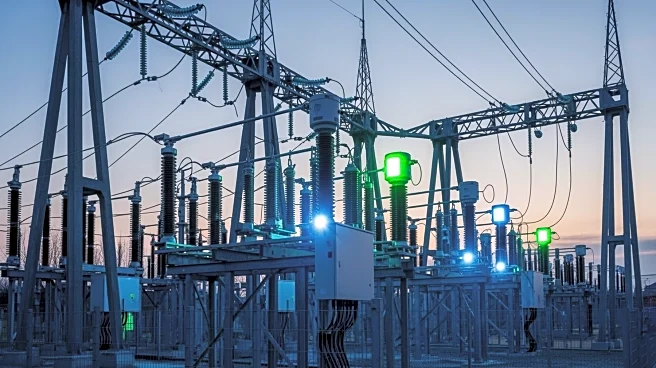
The development of neuro-symbolic AI is crucial as the energy consumption of AI and data centers in the U.S. is projected to double by 2030. This innovation could alleviate the growing energy demands of AI systems, which currently consume a significant portion of the nation's energy output. By reducing energy usage, the new AI system could lead to cost savings and environmental benefits, making AI technologies more sustainable. This advancement is particularly relevant as AI systems become increasingly integrated into industrial applications, where energy efficiency is a critical concern.
What's Next?
The research will be presented at the International Conference of Robotics and Automation in Vienna, with further studies likely to explore the scalability and application of neuro-symbolic AI in various industries. As the demand for AI systems continues to rise, there may be increased interest from tech companies and data centers in adopting this energy-efficient technology. The potential for widespread implementation could drive further innovation and investment in sustainable AI solutions.