

What's Happening?
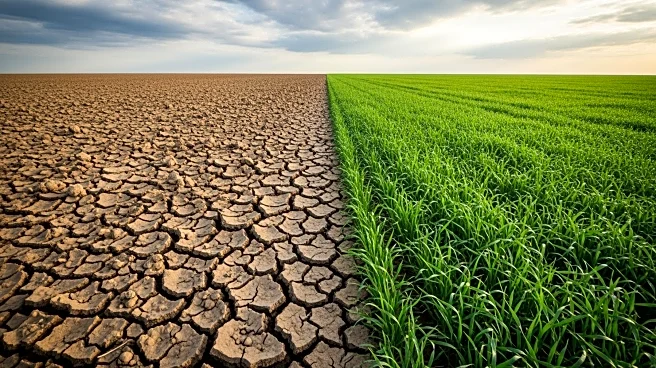
The agriculture industry is experiencing a significant evolution as it grapples with increasing uncertainty. Recent events such as the 69th Annual International Fruit Tree Association Conference and the World Ag Expo have highlighted the challenges faced
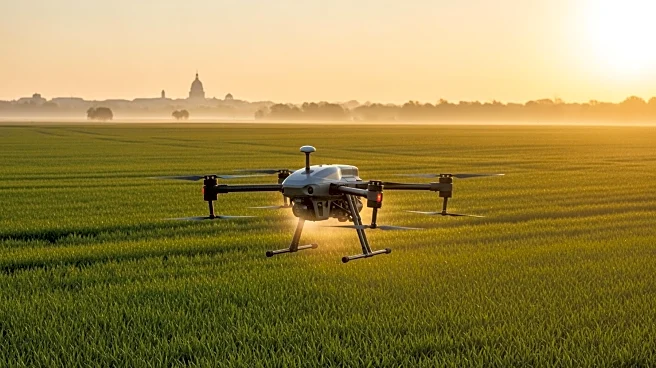
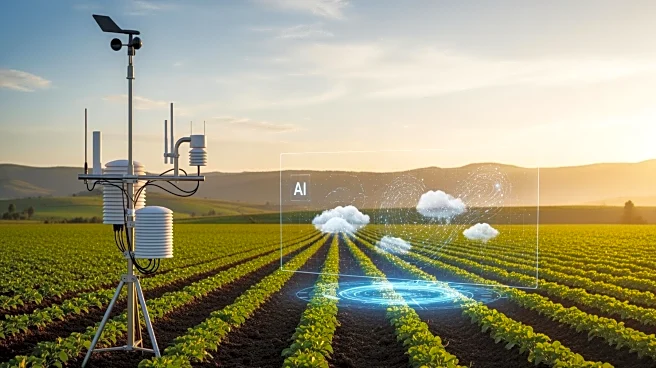
by growers, including unpredictable weather patterns, shifting pest and disease pressures, volatile input costs, labor shortages, and evolving regulations. Despite these challenges, the industry is not stagnant. There is a strong focus on leveraging new tools, data, and technology to manage orchards and vineyards with greater precision and foresight. Advanced sensors, improved forecasting tools, automation, and data platforms are being utilized to enhance decision-making processes, allowing growers to respond more strategically to potential issues. The emphasis is on supporting human decision-making with better insights, rather than replacing it.
Why It's Important?
The ongoing transformation in the agriculture industry is crucial as it directly impacts food production and supply chains. By adopting innovative technologies and data-driven approaches, growers can improve efficiency, reduce risks, and enhance productivity. This evolution is essential for maintaining the sustainability and profitability of the agriculture sector, which is vital for the economy and food security. The collaboration between researchers, technology companies, equipment manufacturers, consultants, and growers is fostering innovation that addresses real-world challenges. As the industry adapts to these changes, it positions itself to better handle future uncertainties, ensuring a stable food supply and supporting the livelihoods of those involved in agriculture.
What's Next?
The agriculture industry is expected to continue its trajectory towards greater innovation and collaboration. As growers increasingly adopt new technologies and data-driven solutions, there will likely be further advancements in precision agriculture. This could lead to more efficient resource use, reduced environmental impact, and improved crop yields. Stakeholders in the industry, including policymakers, may need to consider supportive measures to facilitate this transition, such as providing access to technology and training for farmers. The ongoing dialogue and partnerships among industry players will be crucial in driving these developments forward.
Beyond the Headlines
The shift towards innovation in agriculture also raises important ethical and cultural considerations. As technology becomes more integrated into farming practices, there may be concerns about data privacy, the digital divide among farmers, and the potential loss of traditional farming knowledge. Additionally, the reliance on technology could lead to increased dependency on tech companies, raising questions about control and ownership of agricultural data. These issues will need to be addressed to ensure that the benefits of innovation are equitably distributed and that the cultural heritage of farming is preserved.