







What's Happening?
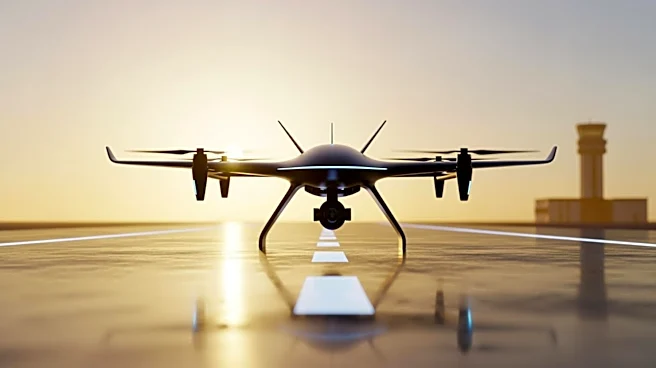
Reliable Robotics, a U.S.-based start-up, has successfully raised $160 million to further its development of autonomous flight systems. The company is focused on converting both civil and military aircraft to operate without onboard pilots. This funding
round is a significant step towards achieving Federal Aviation Administration (FAA) certification, which the company aims to secure by 2028. The investment will be used to enhance the technology required for autonomous flight, including safety systems and operational protocols. Reliable Robotics is part of a growing sector within the aviation industry that is exploring the potential of uncrewed aircraft operations, which could revolutionize both commercial and defense aviation sectors.
Why It's Important?
The advancement of autonomous flight technology by Reliable Robotics could have profound implications for the aviation industry. By potentially reducing the need for onboard pilots, airlines and military operations could see significant cost savings and increased operational efficiency. This technology also promises to enhance safety by minimizing human error, which is a leading cause of aviation accidents. The successful implementation of autonomous systems could lead to a paradigm shift in how aircraft are operated, maintained, and regulated. Additionally, the move towards autonomous flight aligns with broader trends in automation and artificial intelligence, which are reshaping various industries globally.
What's Next?
As Reliable Robotics progresses towards FAA certification, the company will likely engage in extensive testing and collaboration with regulatory bodies to ensure compliance with safety standards. The next few years will be critical as the company works to demonstrate the reliability and safety of its autonomous systems. Stakeholders in the aviation industry, including airlines, military organizations, and regulatory agencies, will be closely monitoring these developments. The success of Reliable Robotics could pave the way for other companies in the sector, potentially leading to widespread adoption of autonomous flight technology.