
What's Happening?
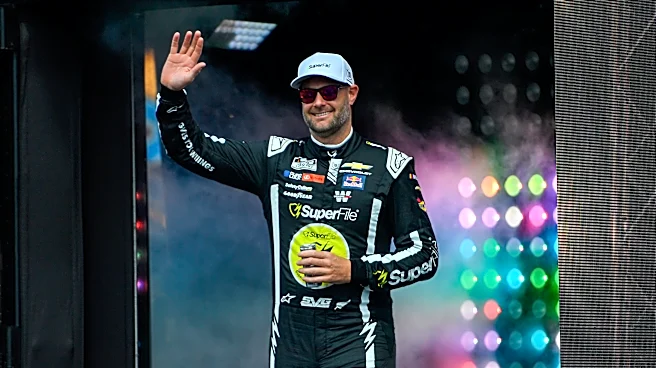
Dover Motor Speedway is set to host NASCAR's annual all-star race for the first time, introducing a new format that aims to deliver an entertaining spectacle. The race will feature segments of 75, 75, and 200 laps, with the top 26 finishers in the first segment inverted
for the start of the second segment. The final segment's field will be determined by the average finish of drivers in the first two segments, and an automatic caution will occur around lap 75 of the final segment. This format seeks to replicate the excitement of the 1992 race, famously known as 'One Hot Night,' which was characterized by dramatic finishes and innovative night racing.
Why It's Important?
The introduction of a new format at Dover Motor Speedway is significant for NASCAR as it attempts to rejuvenate interest in its all-star race. By experimenting with race formats, NASCAR aims to enhance viewer engagement and maintain its competitive edge in the sports entertainment industry. The success of this event could influence future race designs and impact the sport's popularity. Additionally, the race provides an opportunity for drivers to showcase their skills in a unique setting, potentially affecting their standings and reputations within the racing community.
What's Next?
Following the race at Dover, NASCAR will likely evaluate the effectiveness of the new format in terms of audience engagement and driver feedback. If successful, similar formats may be adopted in future races, potentially altering the traditional structure of NASCAR events. Stakeholders, including teams and sponsors, will be keenly observing the race's outcome to assess its impact on their investments and strategies. The event could also spark discussions on further innovations in race formats to keep the sport dynamic and appealing.