
What's Happening?
The latest TD Cowen/AFS Freight Index reveals ongoing price pressures across truckload, parcel, and less-than-truckload (LTL) sectors. The report, developed by TD Cowen Inc. and AFS Logistics LLC, attributes
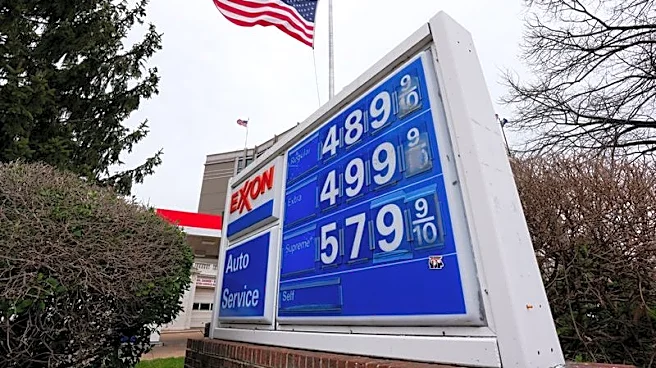
these pressures to a significant rise in fuel costs, which have led to the highest freight rates in nearly four years. The index utilizes advanced analytics and historical data to provide a comprehensive view of current and forecasted pricing trends. Key findings include a 13-quarter high in truckload rates due to supply-side corrections and stable demand, and a record high in parcel pricing driven by opportunistic fuel surcharges. LTL rates are also projected to reach new highs as fuel costs surge and demand stabilizes.
Why It's Important?
The persistent price pressures in the freight industry have broad implications for the U.S. economy, affecting supply chain costs and consumer prices. Elevated freight rates can lead to increased costs for businesses, which may be passed on to consumers, contributing to inflationary pressures. The report highlights the impact of fuel costs on freight pricing, emphasizing the need for businesses to adapt to a 'new normal' of elevated fuel expenses. This situation underscores the importance of strategic planning and risk management in logistics to mitigate the effects of volatile pricing. The freight industry's response to these challenges will be crucial in maintaining supply chain efficiency and economic stability.
What's Next?
As fuel costs remain high, freight companies are likely to continue adjusting their pricing strategies to manage costs and maintain profitability. Businesses will need to explore innovative solutions and partnerships to optimize their logistics operations and mitigate the impact of rising freight rates. The freight industry may also see increased investment in technology and infrastructure to enhance efficiency and reduce dependency on volatile fuel markets. Stakeholders will be closely monitoring economic indicators and policy developments that could influence fuel prices and freight demand in the coming months.