





What's Happening?
TScan Therapeutics and Cellares have announced a collaboration to evaluate the automated manufacturing of TScan's lead TCR-T therapy candidate, TSC-101, aimed at treating patients with acute myeloid leukemia (AML) and myelodysplastic syndromes (MDS).
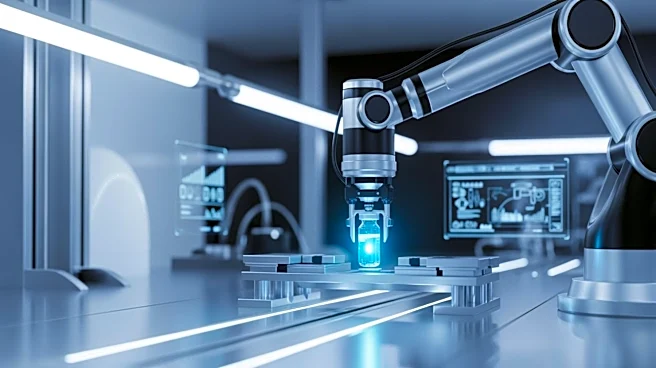
This partnership will utilize Cellares' automated Cell Shuttle and Cell Q platforms to potentially provide a scalable and cost-efficient path to commercialization. TSC-101 is designed to treat residual disease and prevent relapse in patients undergoing allogeneic hematopoietic cell transplantation. The collaboration seeks to automate the manufacturing and testing processes, reducing variability and labor intensity, and enabling consistent execution across different locations. This initiative is part of TScan's preparation for a pivotal trial of TSC-101, expected to begin in the second quarter of 2026.
Why It's Important?
The collaboration between TScan and Cellares is significant as it addresses the need for scalable and economical manufacturing solutions in the field of cell therapy. By automating the production of TSC-101, the partnership aims to overcome common challenges in cell therapy manufacturing, such as process variability and capacity constraints. This could lead to broader patient access to innovative cancer treatments, particularly for those at risk of relapse after transplantation. The success of this collaboration could set a precedent for future manufacturing strategies in the biotechnology industry, potentially reducing costs and increasing the availability of life-saving therapies.
What's Next?
As TScan prepares for the pivotal trial of TSC-101, the evaluation of Cellares' automated manufacturing platform will be crucial in determining its effectiveness and scalability. If successful, this could lead to the widespread adoption of automated manufacturing processes in the biotechnology sector. The outcome of this collaboration may influence future partnerships and investments in automated cell therapy production, potentially accelerating the development and commercialization of similar therapies. Stakeholders, including healthcare providers and patients, will be closely monitoring the progress and results of this initiative.