



What's Happening?
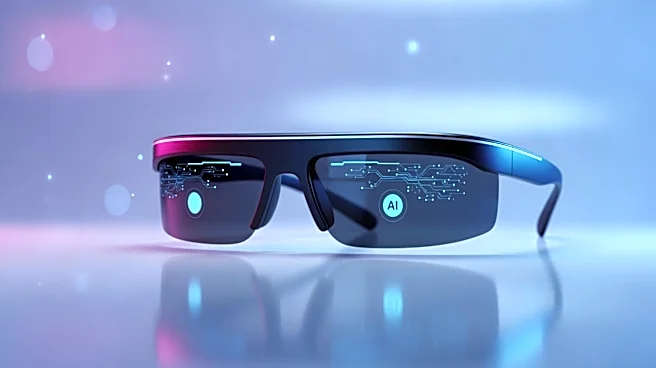
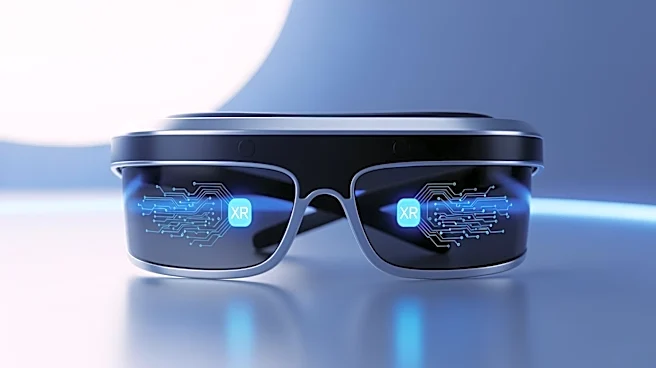
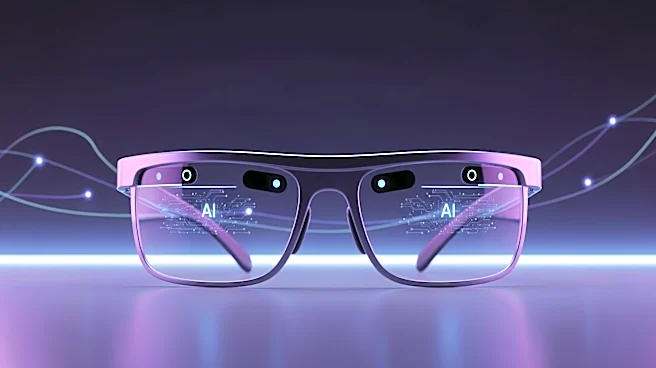
Snap has announced a multi-year partnership with Qualcomm to integrate Snapdragon XR technology into its Specs, marking a significant shift from developer kits to consumer hardware. This collaboration is expected to enhance augmented reality (AR) applications
by making them faster and reducing privacy risks. Additionally, Warby Parker and Google are planning to launch AI-powered smart glasses in 2026, combining optical retail reach with Google's mapping and AI capabilities. Amazon is reportedly developing a consumer AR headset, which could integrate voice AI and retail functionalities. These developments indicate a potential transformation in the wearable computing industry, with AR glasses moving from novelty items to practical tools for everyday use.
Why It's Important?
The integration of AI into AR glasses could significantly impact various industries by providing hands-free assistance in fields such as training, logistics, and field service. This technological advancement may lead to increased productivity and safety in workplaces. For consumers, the shift towards stylish and functional AR glasses could change how people interact with technology, potentially replacing smartphones as primary devices for information access. The involvement of major companies like Snap, Google, and Amazon suggests a competitive market landscape, which could drive innovation and lower prices, making AR technology more accessible to the general public.
What's Next?
As these companies continue to develop and refine their AR products, the market is likely to see increased competition and innovation. The success of these initiatives will depend on consumer adoption and the ability of these devices to provide clear benefits over existing technologies. Stakeholders, including tech companies and retailers, will need to address challenges related to design, functionality, and privacy to ensure widespread acceptance. The next few years will be crucial in determining whether AR glasses can become a mainstream technology.
Beyond the Headlines
The development of AR glasses raises important ethical and privacy considerations, particularly regarding data collection and user consent. As these devices become more integrated into daily life, there will be increased scrutiny on how personal information is managed and protected. Additionally, the cultural impact of AR technology could lead to shifts in social interactions and communication, as people adapt to new ways of accessing and sharing information.