

What's Happening?
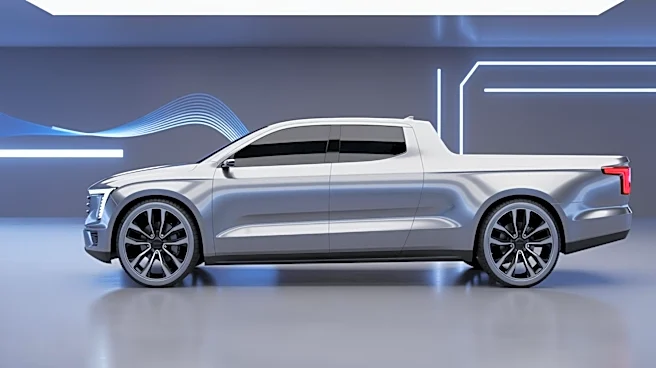
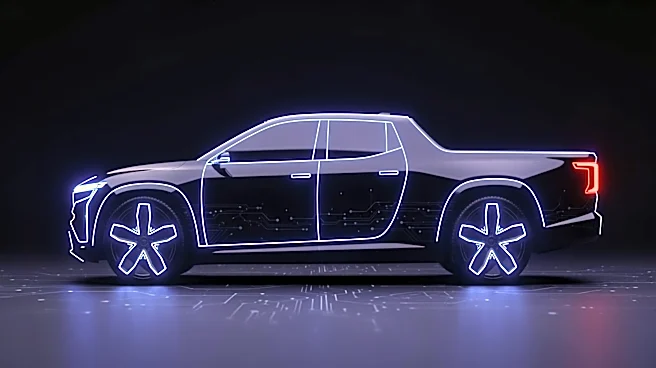
Ford has unveiled plans to launch the next-generation F-150 and Super Duty trucks by 2029, as part of a broader electrification strategy. The company aims to offer electrified powertrains in 90 percent of its global lineup by 2030, including traditional
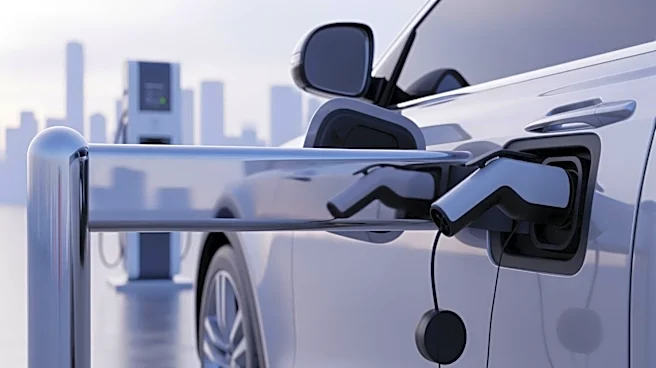
hybrids, range-extender hybrids, and electric vehicles (EVs). The F-150 Lightning is set to return with a range-extender hybrid setup, while traditional hybrid powertrains will continue in the F-150. Ford's F-series trucks have been the bestselling vehicles in the U.S. for decades, and the company is committed to keeping the F-150 up to date. The announcement coincides with the launch of Ford's new division, Product Creation and Industrialization, which will lead the company's plans to refresh 80 percent of its North American lineup and 70 percent of its global lineup by volume.
Why It's Important?
Ford's electrification plans are significant for the automotive industry, as they reflect a shift towards sustainable transportation solutions. By electrifying a substantial portion of its lineup, Ford is positioning itself as a leader in the transition to cleaner energy vehicles. This move is likely to influence other automakers to accelerate their own electrification efforts, potentially leading to increased competition and innovation in the EV market. The F-150's continued dominance in sales underscores the importance of maintaining its appeal through technological advancements. Ford's commitment to electrification could also impact supply chains, as the demand for EV components and infrastructure grows.
What's Next?
Ford's next steps involve the implementation of its electrification strategy, including the development of new powertrains and production processes. The company will focus on enhancing its BlueCruise hands-free driver assistance system and progressing towards Level 3 autonomous driving capabilities. As Ford rolls out its electrified models, it will likely face challenges related to production capacity, consumer acceptance, and competition from other automakers. Stakeholders, including investors and environmental groups, will be closely monitoring Ford's progress and its impact on the automotive industry.
Beyond the Headlines
The shift towards electrification raises questions about the environmental impact of vehicle production and the disposal of batteries. Ford's strategy may prompt discussions on the sustainability of EV manufacturing processes and the need for recycling initiatives. Additionally, the transition to electric vehicles could have cultural implications, as consumers adapt to new driving experiences and technologies. The success of Ford's electrification efforts may also influence public policy, encouraging governments to support infrastructure development and incentivize EV adoption.