



What's Happening?
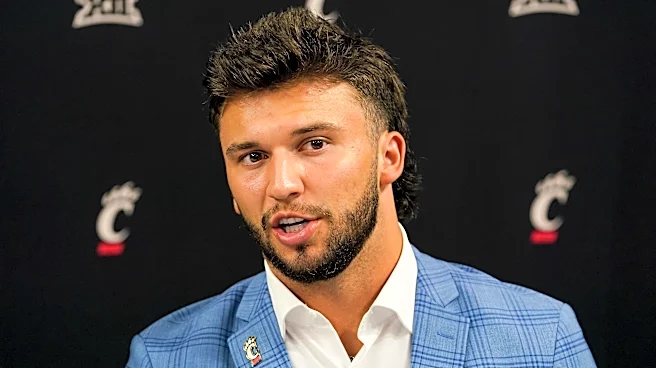
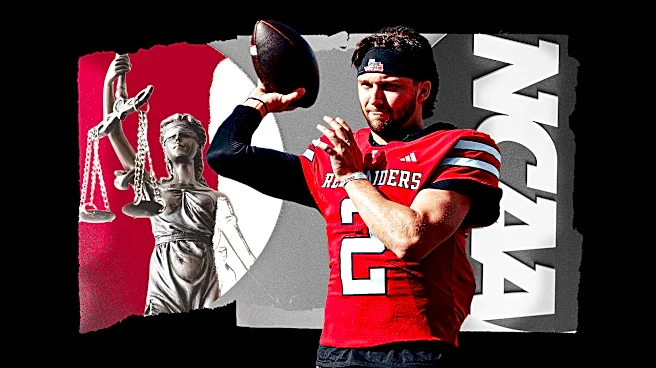
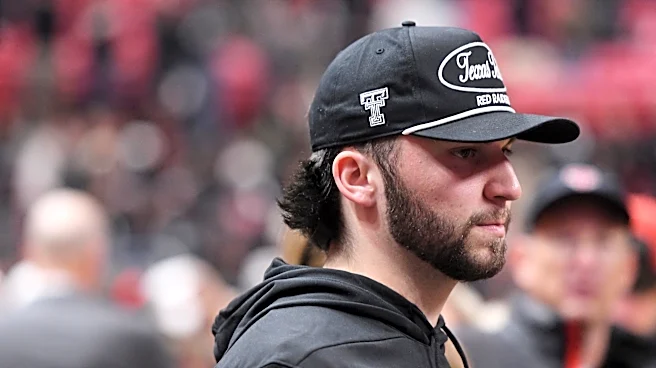
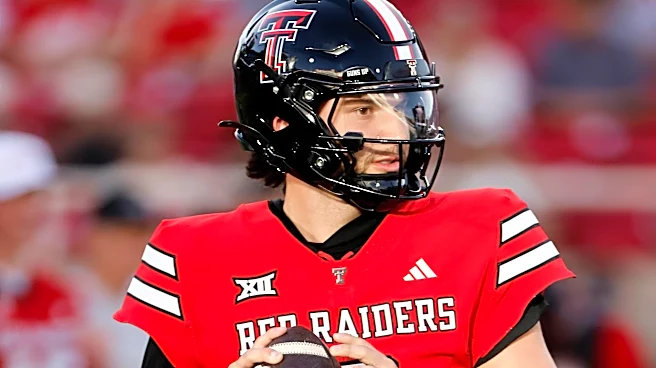
A Texas judge has granted a temporary injunction allowing Texas Tech quarterback Brendan Sorsby to play this season, despite a previous NCAA ruling of ineligibility due to his admission of betting on Indiana Hoosiers football games. The decision has sparked
significant controversy and criticism from various college sports stakeholders. Kansas State's athletic director Gene Taylor and Georgia Bulldogs' athletic director Josh Brooks have expressed strong disapproval, with Brooks suggesting a boycott of games against Texas Tech. The ruling has raised concerns about the integrity of college sports and the NCAA's ability to enforce its rules.
Why It's Important?
The ruling highlights ongoing tensions between the NCAA and its member institutions regarding athlete governance and eligibility rules. The NCAA's refusal to classify athletes as employees has limited its ability to enforce regulations, leading to situations like the Sorsby case. This decision could set a precedent for future cases involving athlete misconduct and eligibility, potentially undermining the NCAA's authority. The backlash from athletic directors and coaches underscores the need for a reevaluation of the NCAA's governance model, possibly moving towards a collective bargaining agreement to establish clearer guidelines and prevent similar controversies.
What's Next?
The NCAA and its member schools may need to consider significant changes to their governance structure, including the possibility of allowing athletes to unionize. This could lead to the establishment of a collective bargaining agreement that would provide a framework for handling issues like gambling policies. In the short term, schools may take individual actions, such as boycotting games against Texas Tech, to express their disapproval. The broader implications for college sports governance and athlete rights will likely be a topic of ongoing debate and discussion among stakeholders.