







What's Happening?
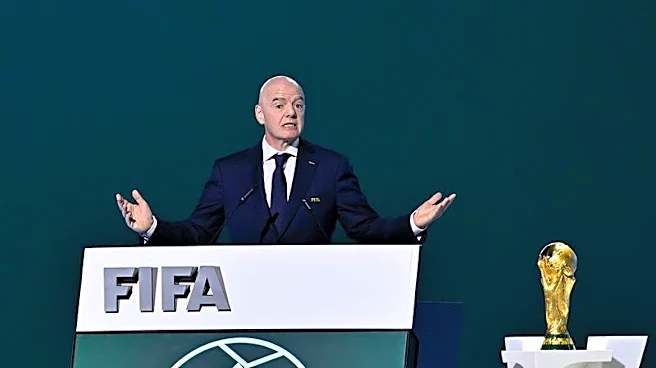
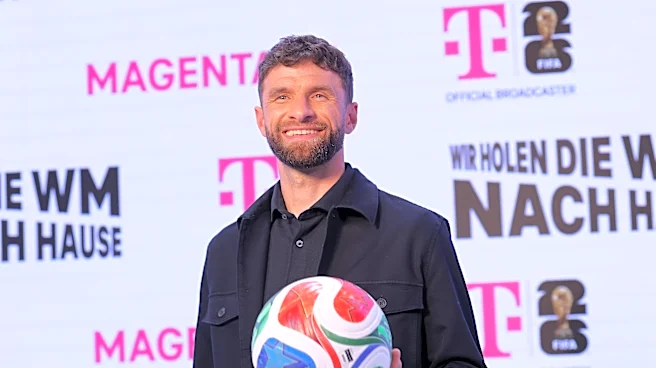
The 2026 FIFA World Cup is poised to be a landmark event, hosted jointly by the United States, Canada, and Mexico. This tournament will be the largest in history, featuring 48 teams and 104 matches across 16 cities in North America. The U.S. will host games
in cities such as Atlanta, Boston, Dallas, and Los Angeles, among others. This marks the second time the U.S. has hosted the World Cup, the first being in 1994, which significantly boosted the popularity of soccer in the country. The tournament will introduce new fans to soccer terminology and rules, with a guide provided to help them understand the game better. The event is expected to draw significant attention, despite soccer traditionally ranking behind other major sports in U.S. viewership.
Why It's Important?
The 2026 World Cup represents a significant opportunity for soccer to expand its footprint in the United States. Hosting the tournament could lead to increased interest and investment in the sport, potentially boosting Major League Soccer and youth participation. The event is also expected to have substantial economic impacts, with increased tourism and global media attention. For the U.S. men's national team, the tournament offers a chance to showcase their talent on home soil, potentially inspiring a new generation of players. The expanded format with more teams and matches could also lead to greater global engagement and viewership.
What's Next?
As the tournament approaches, preparations in host cities will intensify, focusing on infrastructure, security, and logistics to accommodate the influx of international visitors. The U.S. team will continue to build its roster, aiming to advance beyond previous performances. Marketing efforts will likely increase to engage American audiences, emphasizing the cultural and sporting significance of the World Cup. Additionally, discussions around the economic and social impacts of the event will continue, with stakeholders evaluating the long-term benefits for the host countries.
Beyond the Headlines
The 2026 World Cup could have lasting cultural impacts, potentially shifting perceptions of soccer in the U.S. and fostering a more diverse sporting culture. The event may also highlight issues such as sustainability and inclusivity, as organizers strive to meet global standards for large-scale events. The tournament's success could influence future bids for international sporting events, positioning North America as a prime location for global competitions.