







What's Happening?
Nintendo of America is facing a lawsuit filed in the U.S. District Court for the Western District of Washington, alleging that the company has not planned to return money paid by customers due to tariffs imposed during President Trump's administration.
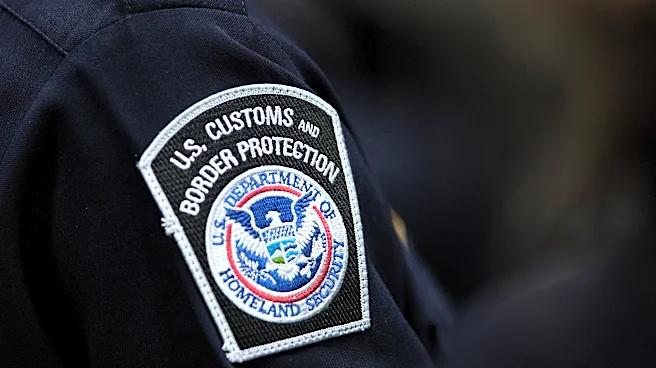
The lawsuit claims that Nintendo could recover tariff payments twice—once from consumers through higher prices and again from the federal government through tariff refunds. The complaint, representing millions of buyers, seeks restitution and other relief. The U.S. Supreme Court had previously outlawed the tariffs, and the CBP has launched a portal for businesses to claim refunds.
Why It's Important?
The lawsuit against Nintendo highlights the complexities and potential inequities in the tariff refund process. While businesses like Nintendo stand to recover significant amounts, consumers who faced higher prices may not receive direct compensation. This situation raises questions about fairness and the broader impact of trade policies on consumers. The legal action could set a precedent for other companies and consumers affected by the tariffs, potentially influencing future trade policy and consumer protection measures.
What's Next?
The outcome of the lawsuit could have implications for other companies and consumers seeking restitution for tariff-related costs. If successful, the case may prompt similar legal actions against other businesses. The situation may also lead to increased scrutiny of the tariff refund process and calls for policy changes to address consumer concerns. Stakeholders, including consumer advocacy groups and policymakers, may push for more equitable solutions to ensure that both businesses and consumers are fairly compensated.