


What's Happening?
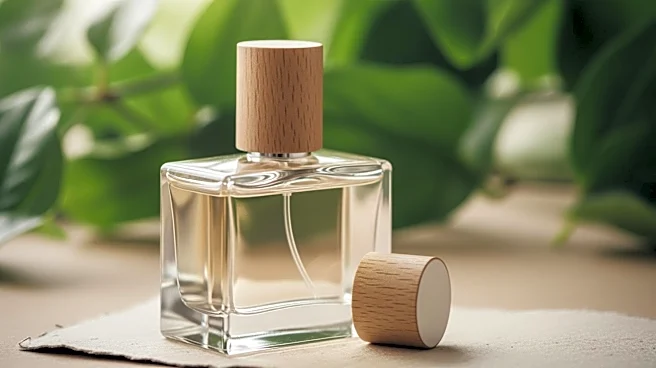
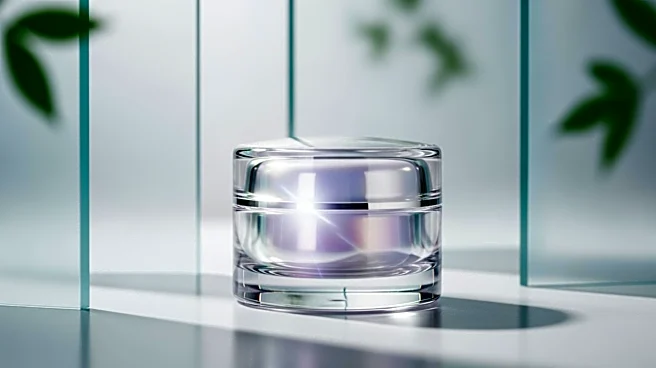
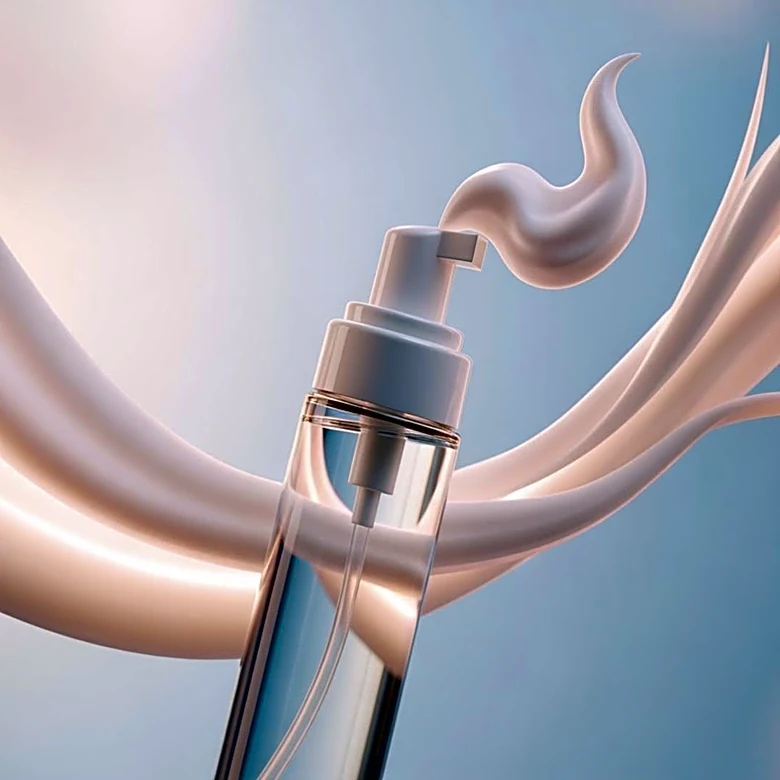
The cosmetics industry is increasingly focusing on packaging as a crucial element of the product experience, moving beyond mere protection and storage to include usability, perception, and brand identity. Premium glass, particularly violet glass, is being
used in cosmetic packaging to protect formulations sensitive to light exposure, thereby maintaining product stability, texture, and effectiveness. This type of packaging is especially prevalent in skincare and beauty products, where consumer trust and product integrity are paramount. Glass containers offer versatility in shape, size, and functionality, making them suitable for a wide range of cosmetic applications, from creams and balms to serums and oils.
Why It's Important?
The shift towards premium glass packaging in cosmetics highlights a broader trend of integrating functionality with brand identity. Glass is associated with high-quality, professional-grade products, and its use in packaging helps communicate a brand's positioning and product philosophy. Additionally, glass packaging supports sustainability goals, as it is fully recyclable and can be reused multiple times without quality loss. This aligns with consumer demand for environmentally responsible products and enhances the long-term value of cosmetic packaging. By choosing glass, brands can reduce their environmental impact while maintaining a premium market position.
What's Next?
As the cosmetics industry continues to evolve, the emphasis on sustainable and functional packaging is likely to grow. Brands may increasingly adopt glass packaging to meet consumer expectations for both quality and environmental responsibility. This could lead to innovations in packaging design, such as improved dispensing systems and refillable options, enhancing usability and consumer satisfaction. The trend may also influence other sectors, encouraging a broader adoption of sustainable packaging solutions across industries.
Beyond the Headlines
The use of premium glass in cosmetic packaging also reflects a cultural shift towards valuing product aesthetics and emotional connection with brands. Packaging is not just a container but a strategic element that influences consumer perception and trust. As consumers become more discerning, the role of packaging in brand differentiation and loyalty is likely to become even more significant. This trend underscores the importance of aligning packaging design with brand values and consumer expectations.