





What's Happening?
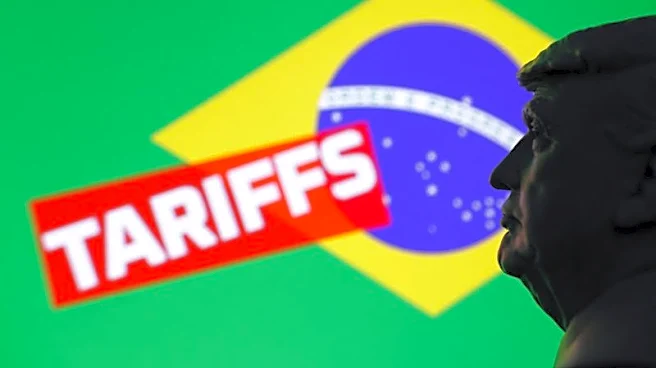
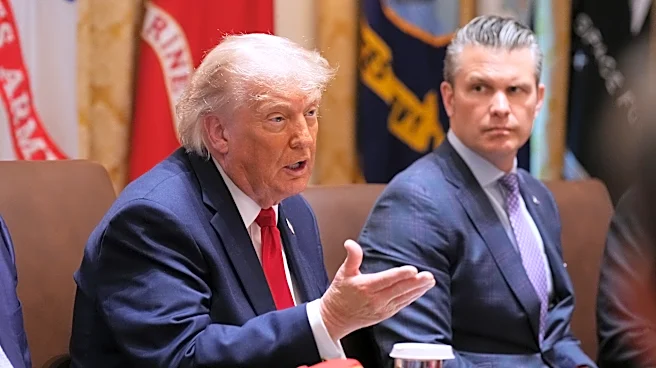
The Trump administration has announced plans to impose new tariffs of 10% or more on products from several major U.S. trading partners following an investigation into the use of forced labor in imported goods. The proposed tariffs target 16 economies,
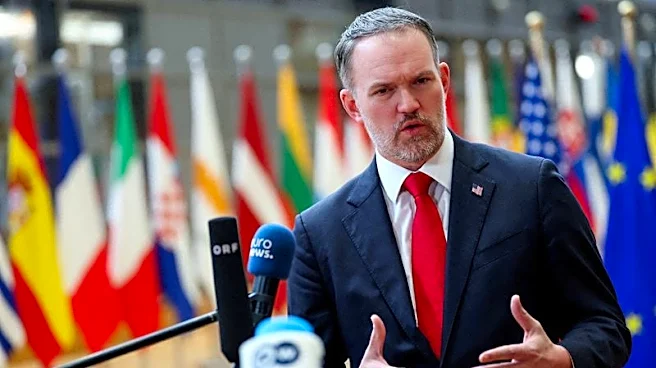
including Canada, Mexico, the European Union, and the United Kingdom, with 10% levies, while others like China, Japan, and India face 12.5% import taxes. This move is part of President Trump's strategy to replace revenue lost after the U.S. Supreme Court struck down previous global tariffs. The tariffs are intended to address the failure of trading partners to enforce bans on forced labor, which the U.S. Trade Representative Jamieson Greer described as creating an unlevel playing field for American workers.
Why It's Important?
The proposed tariffs could significantly impact international trade relations, potentially leading to retaliatory measures from affected countries. The move underscores the Trump administration's commitment to using tariffs as a tool for economic policy, despite legal challenges and potential disruptions to global supply chains. The focus on forced labor highlights ongoing human rights concerns in international trade, pressuring countries to improve labor standards. However, the tariffs could also increase costs for U.S. importers and consumers, adding to inflationary pressures in the domestic market.
What's Next?
The proposed tariffs are subject to public comment and review, with hearings scheduled to begin on July 7. The administration aims to implement the tariffs before the temporary ones expire on July 24. The outcome of these hearings and the response from trading partners will shape the future of U.S. trade policy and its impact on global economic relations. The administration's approach may also face further legal challenges, influencing the broader debate on the use of tariffs in addressing human rights issues.