



What's Happening?
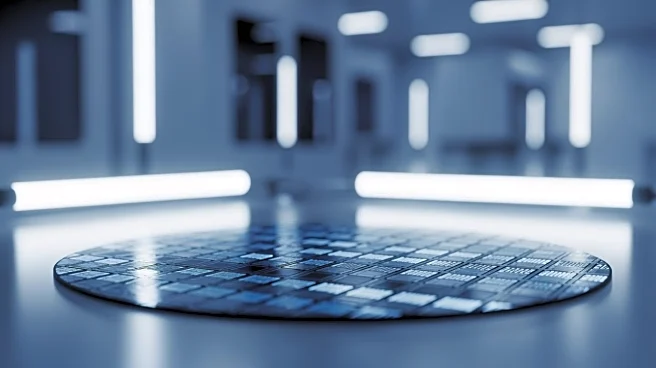
Elon Musk has announced a new $25 billion chip-making factory named Terafab, to be built in Austin, Texas. This initiative is a collaboration between Tesla, SpaceX, and xAI, aiming to address the current semiconductor shortage by producing chips at a large
scale. The Terafab facility is set to become the largest semiconductor manufacturing plant globally, focusing on the 2-nanometer process. The project is part of a broader effort to enhance U.S. semiconductor infrastructure, following the CHIPS Act of 2022, which has already spurred investments in domestic chip production. Musk's plan includes the development of AI5 and AI6 chips for Tesla's robots and self-driving cars, as well as the D3 chip for orbital satellites.
Why It's Important?
The establishment of the Terafab factory is significant for the U.S. semiconductor industry, which has been struggling with supply chain issues and a global chip shortage. By increasing domestic production capacity, the U.S. can reduce its reliance on foreign semiconductor manufacturers, such as TSMC and Samsung. This move could also bolster the U.S. economy by creating jobs and fostering technological advancements in AI and robotics. Additionally, the project aligns with national security interests by ensuring a stable supply of critical components for various industries, including automotive and aerospace.
What's Next?
The success of the Terafab project will depend on securing necessary funding and overcoming potential logistical challenges. It remains to be seen whether the project will receive support under the CHIPS Act. If successful, the facility could set a precedent for future investments in U.S. semiconductor manufacturing. Stakeholders, including government officials and industry leaders, will likely monitor the project's progress closely, as it could influence future policy decisions and investment strategies in the tech sector.