
What's Happening?
Red Bull Racing has disclosed that Max Verstappen's unexpected retirement from the 2026 Chinese Grand Prix was due to an energy recovery system (ERS) coolant failure. Verstappen, a four-time world champion, was running in sixth place when he was called
into the pit lane on lap 45 to retire from the race. This decision was made to protect the car's hardware. Verstappen had initially struggled with a poor start, dropping to 16th place, but managed to recover to sixth before the technical issue forced his retirement. Red Bull remains optimistic about their performance in the upcoming Japanese Grand Prix despite this setback.
Why It's Important?
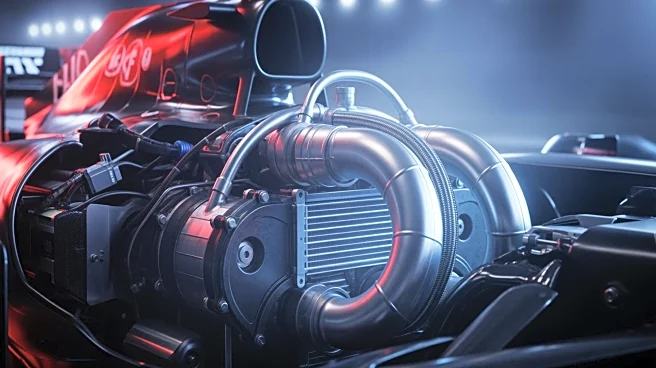
The retirement of Max Verstappen from the Chinese Grand Prix highlights the challenges faced by Formula 1 teams in managing the complex hybrid systems that power modern F1 cars. The ERS is a critical component that contributes to the car's performance by recovering energy during braking and storing it for later use. Failures in such systems can significantly impact a team's performance and standings in the championship. For Red Bull, this incident underscores the importance of reliability in their quest to compete with leading teams like Mercedes and Ferrari. The incident also reflects the broader technical challenges in F1, where teams must balance performance with the reliability of advanced hybrid technologies.
What's Next?
Red Bull Racing will likely focus on addressing the technical issues that led to Verstappen's retirement to ensure better reliability in future races. The team will prepare for the Japanese Grand Prix, where they aim to improve their standings in the constructors' championship. Additionally, the incident may prompt discussions within the team and the broader F1 community about the reliability of hybrid systems and potential improvements. Stakeholders, including team engineers and technical directors, will be crucial in implementing solutions to prevent similar issues in upcoming races.