



What's Happening?
The Upper Peninsula Dark Sky Festival is set to return to Copper Harbor, Michigan, from April 16-18 at the Keweenaw Mountain Lodge. This marks the fourth year of the festival, which coincides with International Dark Sky Week. The event aims to celebrate
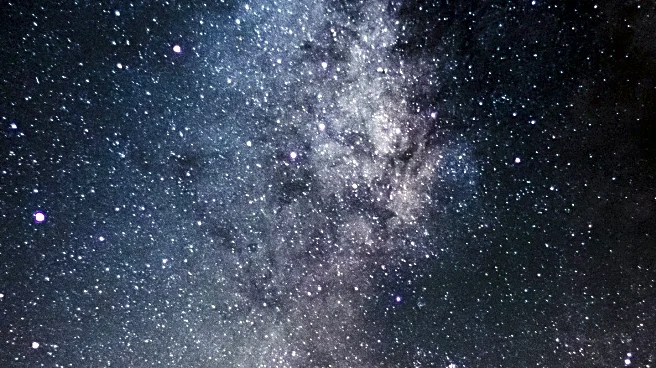
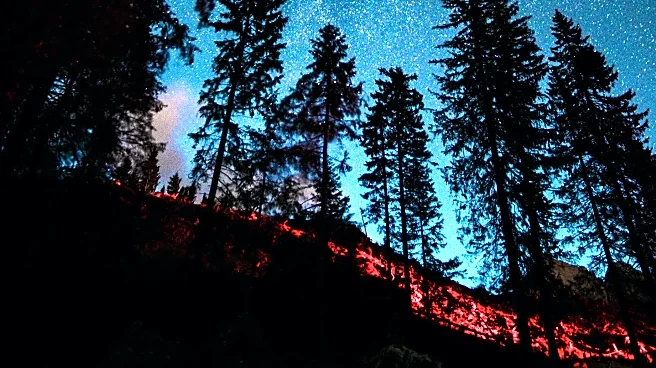
the beauty of natural darkness and the science of the night sky, while fostering a connection between people and place. The festival will feature a lineup of 11 speakers from various fields, including astrophysics, night sky photography, and dark sky conservation. Notable speakers include Dr. Robert Nemiroff, a physics professor at Michigan Technological University, who will discuss the NASA Astronomy Picture of the Day project. Other speakers include Jamie Westfall, manager of Headlands International Dark Sky Park, and NASA Solar System Ambassador Dave Falkner. The festival is designed to encourage attendees to slow down, look up, and reconnect with nature.
Why It's Important?
The Upper Peninsula Dark Sky Festival highlights the growing interest in preserving natural darkness and understanding the night sky. Events like this promote awareness of light pollution and its impact on ecosystems and human health. By bringing together experts from diverse fields, the festival fosters a multidisciplinary approach to dark sky conservation. This event also has economic implications for the region, as it attracts visitors and promotes local tourism. The festival's emphasis on cultural and scientific appreciation of the night sky can inspire broader public engagement with environmental conservation efforts. Additionally, the festival serves as a platform for discussing the economic benefits of dark sky preservation, such as increased tourism and community development.
What's Next?
The festival is expected to draw significant interest, with tickets capped at 50 participants and a history of selling out. Attendees will have the opportunity to engage with experts and participate in discussions on various topics related to dark skies. The event organizers encourage early registration, with tickets available until April 12. As the festival continues to grow, it may influence similar initiatives in other regions, promoting a wider appreciation for dark sky conservation. The success of the festival could lead to increased advocacy for policies that reduce light pollution and protect natural darkness.