


What's Happening?
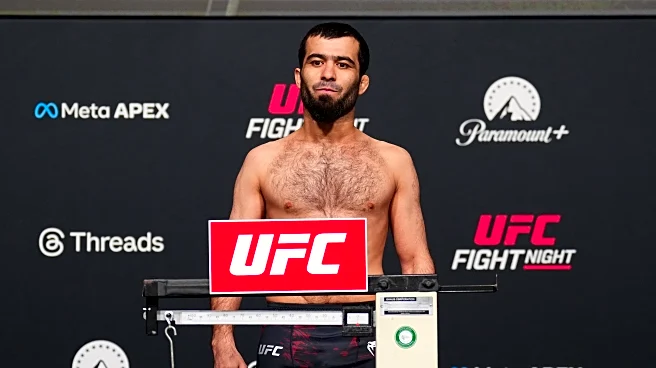
UFC Vegas 113 highlighted ongoing issues within the UFC heavyweight division, particularly during a lackluster fight between Jailton Almeida and Rizvan Kuniev. The match, which was expected to showcase the fighters' potential, instead resulted in a disappointing performance with minimal significant strikes. This has led to criticism from fans and the MMA community, who are calling for changes within the division. The heavyweight division is currently facing challenges, including a lack of clear contenders and uncertainty about future title matches. The division's stagnation is further compounded by injuries to top fighters and unclear timelines for their return.
Why It's Important?
The UFC heavyweight division has historically been a marquee category in combat sports,
drawing significant fan interest and revenue. However, the current state of the division, as evidenced by UFC Vegas 113, suggests a decline in quality and excitement. This could impact the UFC's ability to attract viewers and maintain its reputation as a premier fighting organization. The lack of compelling matchups and clear title contenders may lead to decreased fan engagement and financial implications for the UFC. Addressing these issues is crucial for maintaining the division's status and ensuring the sport's continued growth and popularity.
What's Next?
The UFC may need to consider strategic changes to revitalize the heavyweight division. This could include promoting emerging talent, restructuring matchups to create more exciting fights, and addressing the current backlog of title contenders. The organization might also explore new marketing strategies to reignite fan interest. Additionally, the UFC will need to manage the return of injured fighters and clarify the path to title contention. These steps are essential to restoring the division's competitiveness and appeal. The UFC's response to these challenges will be closely watched by fans and stakeholders in the combat sports industry.