






What's Happening?
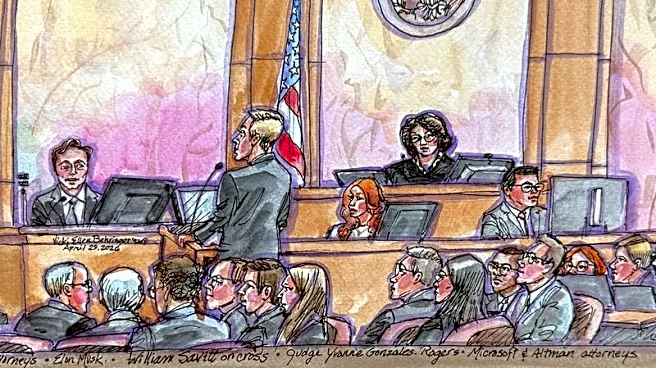
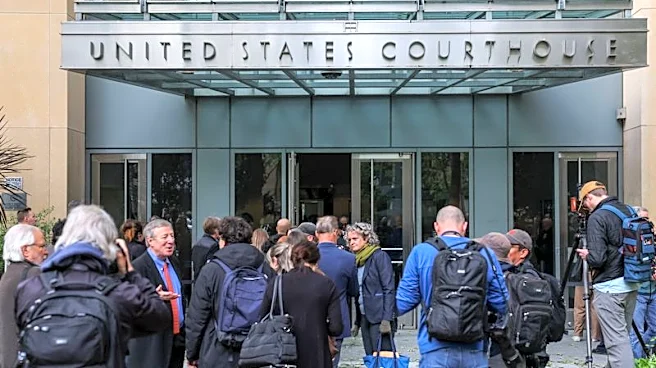
In a federal courtroom in California, Elon Musk testified that his AI startup, xAI, has utilized OpenAI's models to enhance its own AI systems. The practice in question is known as model distillation, where a larger AI model serves as a 'teacher' to a smaller
'student' model. While this method is common within companies to improve their own models, it has sparked controversy when used to replicate the capabilities of competitors' models. Musk's testimony highlighted the industry's gray areas regarding the legality and ethical implications of such practices, as companies like OpenAI and Anthropic have raised concerns about intellectual property theft through distillation.
Why It's Important?
The case underscores the ongoing tensions in the AI industry over intellectual property rights and competitive practices. As AI technology advances, the boundaries of legal and ethical use of AI models are increasingly tested. The outcome of this case could set important precedents for how AI companies protect their innovations and manage competitive practices. It also raises questions about the balance between fostering innovation and protecting proprietary technology. The implications extend beyond the courtroom, potentially influencing industry standards and regulatory approaches to AI development and competition.