







What's Happening?
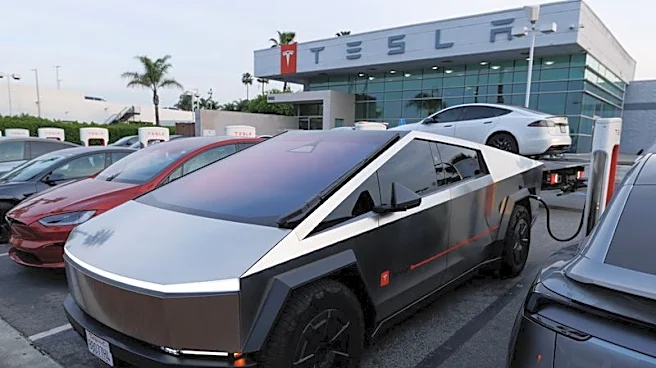
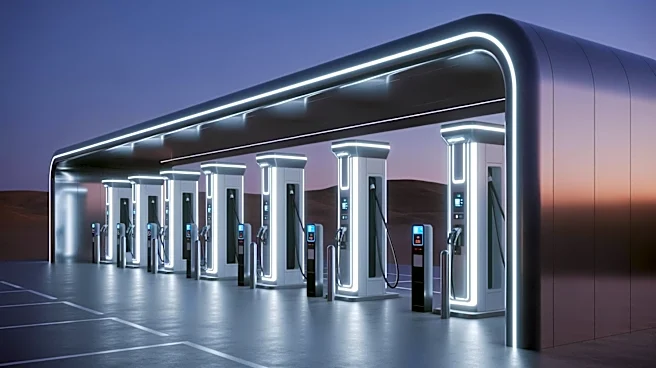
Tesla has filed permit applications for two new Supercharger stations in Chandler and Mesa, Arizona, specifically for its robotaxi operations. This marks Tesla's first attempt at dedicated charging infrastructure for its autonomous fleet, following a previous
cancellation of a similar project in San Francisco. The Chandler site will feature 56 stalls, and the choice of these locations is seen as a strategic move, given that Waymo, a competitor in the autonomous vehicle space, operates extensively in the Phoenix East Valley area. Tesla's current robotaxi fleet, which uses Model Y vehicles, is small, and the infrastructure may initially serve a symbolic purpose. The company has the option to open these stations to the public if the robotaxi program does not scale as anticipated.
Why It's Important?
The establishment of dedicated robotaxi charging stations is a significant step for Tesla as it seeks to expand its presence in the autonomous vehicle market. This move could enhance Tesla's competitive position against companies like Waymo, which already has a substantial robotaxi operation. The development also reflects Tesla's broader strategy to integrate its autonomous driving technology with its existing infrastructure. However, the success of this initiative depends on the scalability of Tesla's robotaxi fleet, which is currently limited. The potential to convert these sites for public use mitigates financial risks, ensuring that the investment in infrastructure can still yield returns even if the robotaxi program does not expand as planned.
What's Next?
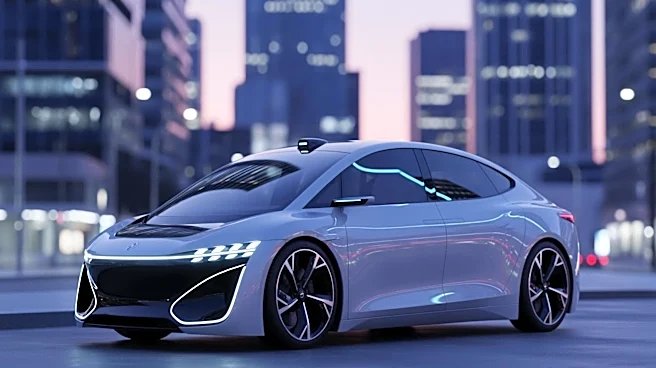
Tesla's next steps will likely involve scaling its robotaxi fleet to utilize the new charging infrastructure effectively. The company may also explore further expansion into other markets, leveraging these sites as a model for future developments. Stakeholders will be watching for updates on Tesla's autonomous vehicle technology and any regulatory approvals that could impact the rollout of its robotaxi services. Additionally, Tesla's ability to adapt its infrastructure to accommodate future vehicle models, such as the Cybercab, will be crucial for long-term success.