
What's Happening?
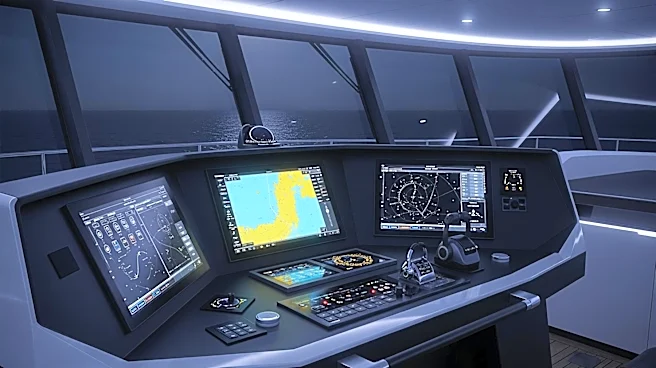
The maritime industry is exploring the integration of 'digital watchkeepers' to enhance safety and efficiency on ships. Recent developments include SEA.AI's partnership with BRNKL for maritime incident
detection and Orca AI's Co-Captain system for real-time data sharing among vessels. These innovations aim to address challenges such as non-AIS targets, high traffic, and severe weather. The UK Marine Accident Investigation Branch's report highlights the need to rethink human watchkeeping roles, as significant collisions persist. The report suggests that humans are not effective monitors and may overlook system alerts. The integration of digital systems, such as electronic lookouts and autonomous collision avoidance, is seen as a way to complement human crews and improve safety.
Why It's Important?
The adoption of digital watchkeeping systems represents a significant shift in maritime operations, with potential implications for safety, efficiency, and crew workload. By automating certain monitoring tasks, these systems can reduce human error and enhance situational awareness. This is particularly important in high-risk environments where quick decision-making is crucial. The technology also offers opportunities for crew rest and reduced fatigue, addressing a common issue in maritime operations. As the industry moves towards greater automation, trust in these systems will be essential. Ensuring that digital systems perform reliably and are accepted by human operators is critical for their successful integration.
Beyond the Headlines
The move towards digital watchkeeping raises questions about the future role of human crews in maritime operations. While automation can enhance safety and efficiency, it also requires careful consideration of human-technology interactions. The balance between human oversight and automated systems will be crucial in maintaining safety standards. Additionally, the industry's shift towards automation may have broader implications for workforce training and employment. As digital systems become more prevalent, there may be a need for new skills and competencies among maritime professionals. The industry's ability to adapt to these changes will be key to its long-term success.