









What's Happening?
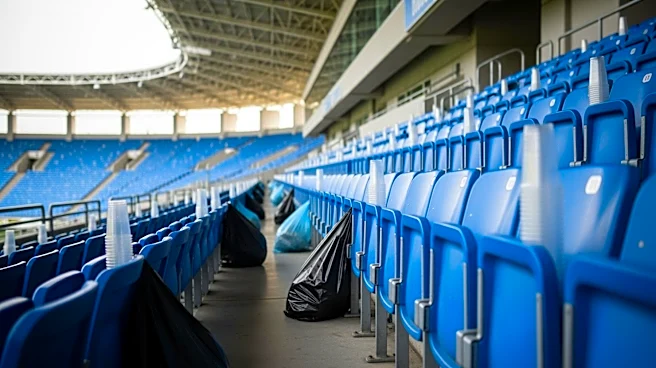
During the recent World Cup match between Japan and the Netherlands, Japanese fans upheld their long-standing tradition of cleaning up the stadium after the game. The match, which ended in a 2-2 draw, saw Japanese supporters using blue bags to collect
trash from the stands at AT&T Stadium in Arlington, Texas. This practice, which began during Japan's first World Cup appearance in 1998, has become a hallmark of Japanese fan culture. The fans' efforts were particularly noted after Daichi Kamada scored a late equalizer, prompting celebrations with the same blue bags that were later used for cleaning. This tradition not only highlights the fans' dedication to their team but also their commitment to maintaining cleanliness and respect for the venues they visit.
Why It's Important?
The actions of Japanese fans at the World Cup serve as a powerful example of sportsmanship and respect for public spaces. In a time when environmental concerns are increasingly prominent, their initiative to clean up after themselves sets a positive precedent for fans worldwide. This behavior not only enhances the reputation of Japanese supporters but also encourages other fan groups to adopt similar practices, potentially leading to cleaner and more sustainable sporting events. Moreover, it reflects cultural values of respect and responsibility, which can influence public behavior beyond sports, promoting a broader societal shift towards environmental consciousness.
What's Next?
As the World Cup progresses, it is likely that Japanese fans will continue this tradition at future matches, further solidifying their reputation for cleanliness and respect. This could inspire other fan groups to adopt similar practices, potentially leading to a cultural shift in how fans engage with sporting events. Stadiums and event organizers might also take note of this behavior, possibly implementing policies or initiatives to encourage all attendees to participate in post-event clean-ups. Such actions could significantly reduce the environmental impact of large-scale events and promote a culture of sustainability.