






What's Happening?
Sports scientist Ken Nosaka from Edith Cowan University in Australia advocates for the increased use of eccentric exercise in fitness routines. Eccentric exercise, which involves muscle lengthening under load, is highlighted as a more efficient way to
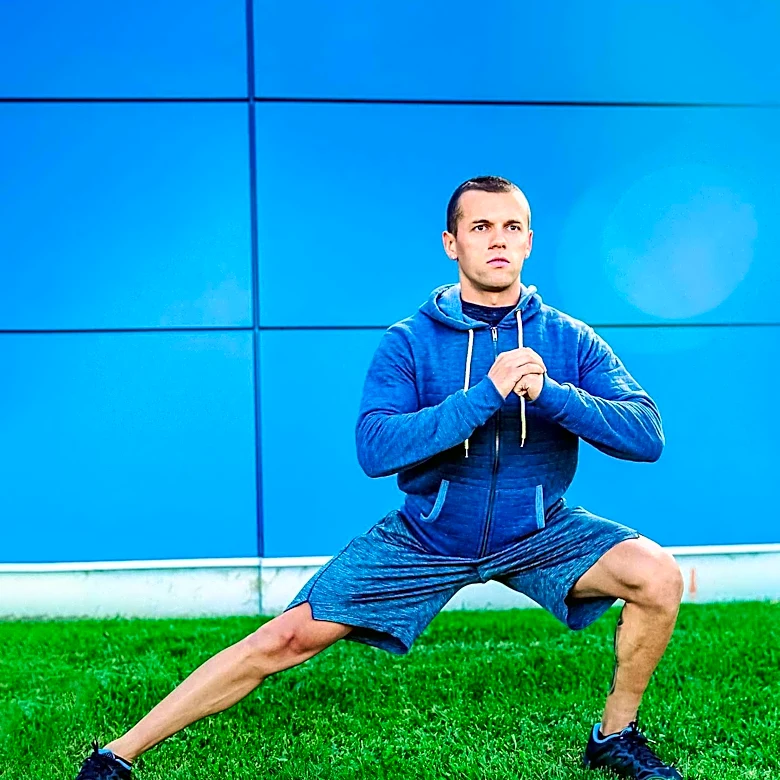
build muscle strength with less energy expenditure. Nosaka's research suggests that this type of exercise can be more effective than traditional methods, offering significant benefits without the need for gym equipment. The approach is particularly beneficial for those who find it challenging to maintain regular exercise routines, as it can be easily integrated into daily activities like walking downstairs or squatting.
Why It's Important?
The promotion of eccentric exercise could have a significant impact on public health by making fitness more accessible and less daunting for a broader audience. This method could particularly benefit older adults, individuals with health restrictions, and those with limited time for exercise. By reducing the perceived barriers to exercise, such as the need for gym access or the fear of muscle soreness, eccentric exercise could encourage more people to engage in regular physical activity, potentially improving overall health outcomes and reducing healthcare costs associated with sedentary lifestyles.
What's Next?
As awareness of the benefits of eccentric exercise grows, it may become a standard component of fitness programs and rehabilitation protocols. Fitness professionals and healthcare providers might increasingly recommend this approach to clients and patients, particularly those who are new to exercise or have specific health concerns. Further research could explore additional applications of eccentric exercise, such as its role in injury prevention and recovery, and its potential to enhance athletic performance.